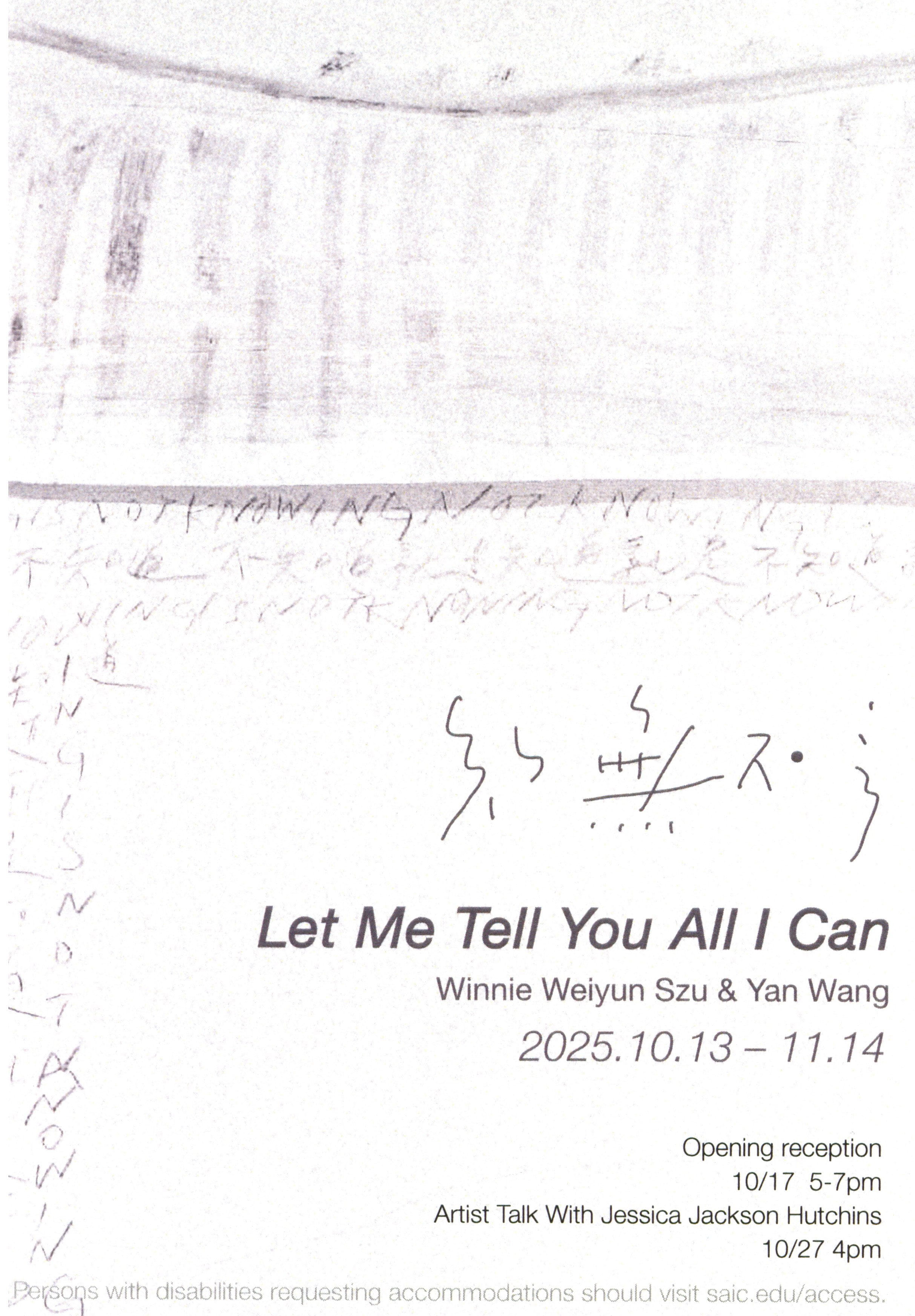
知無不言: Let Me Tell You All I Can
Winnie Weiyun Szu & Yan Wang
October 13 – November 14, 2025
SITE Sharp Gallery
Contributing Artists
Winnie Weiyun Szu & Yan Wang
Exhibition Statement as Preserved in the SUGS/SITE Archives:
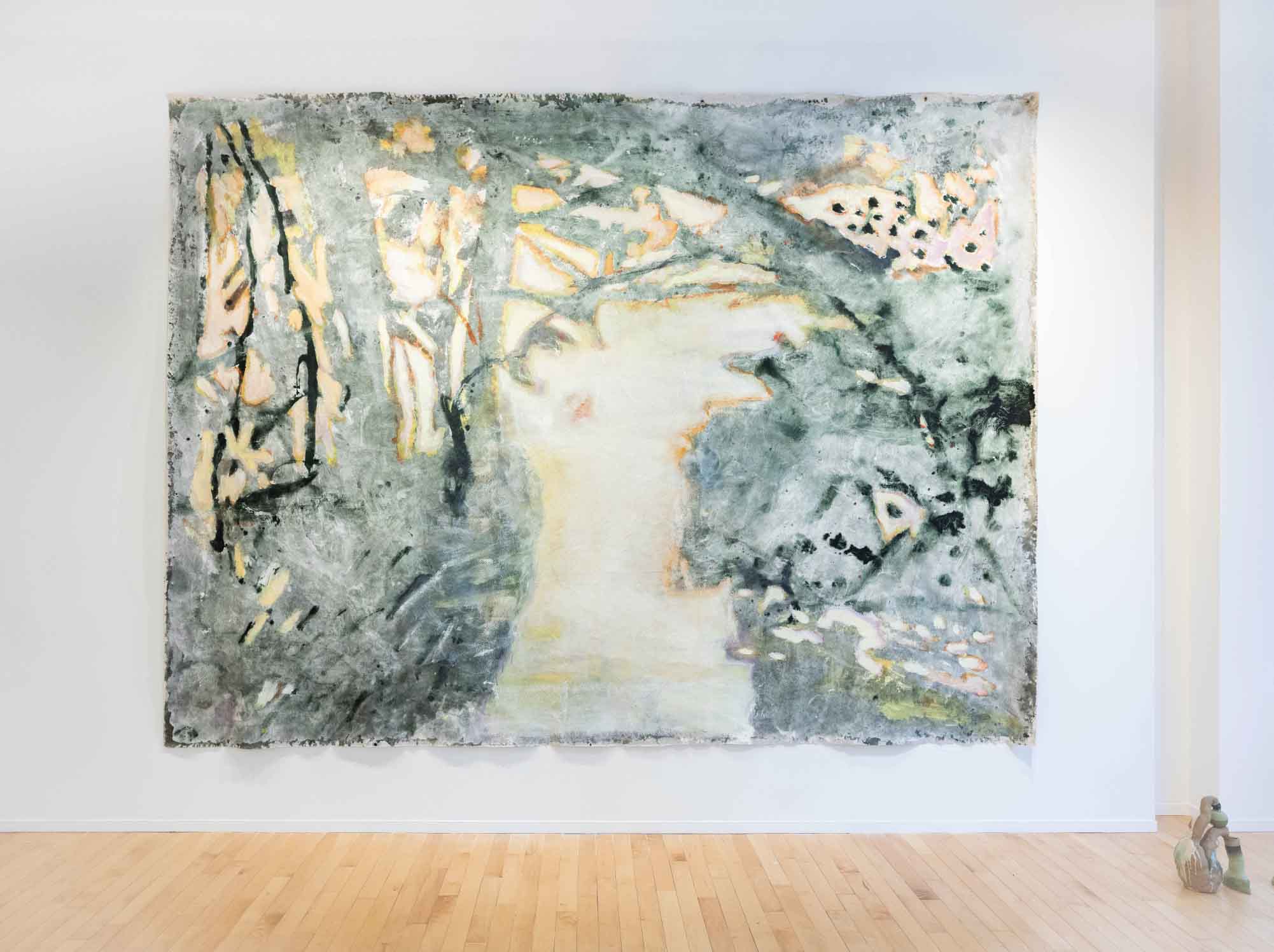
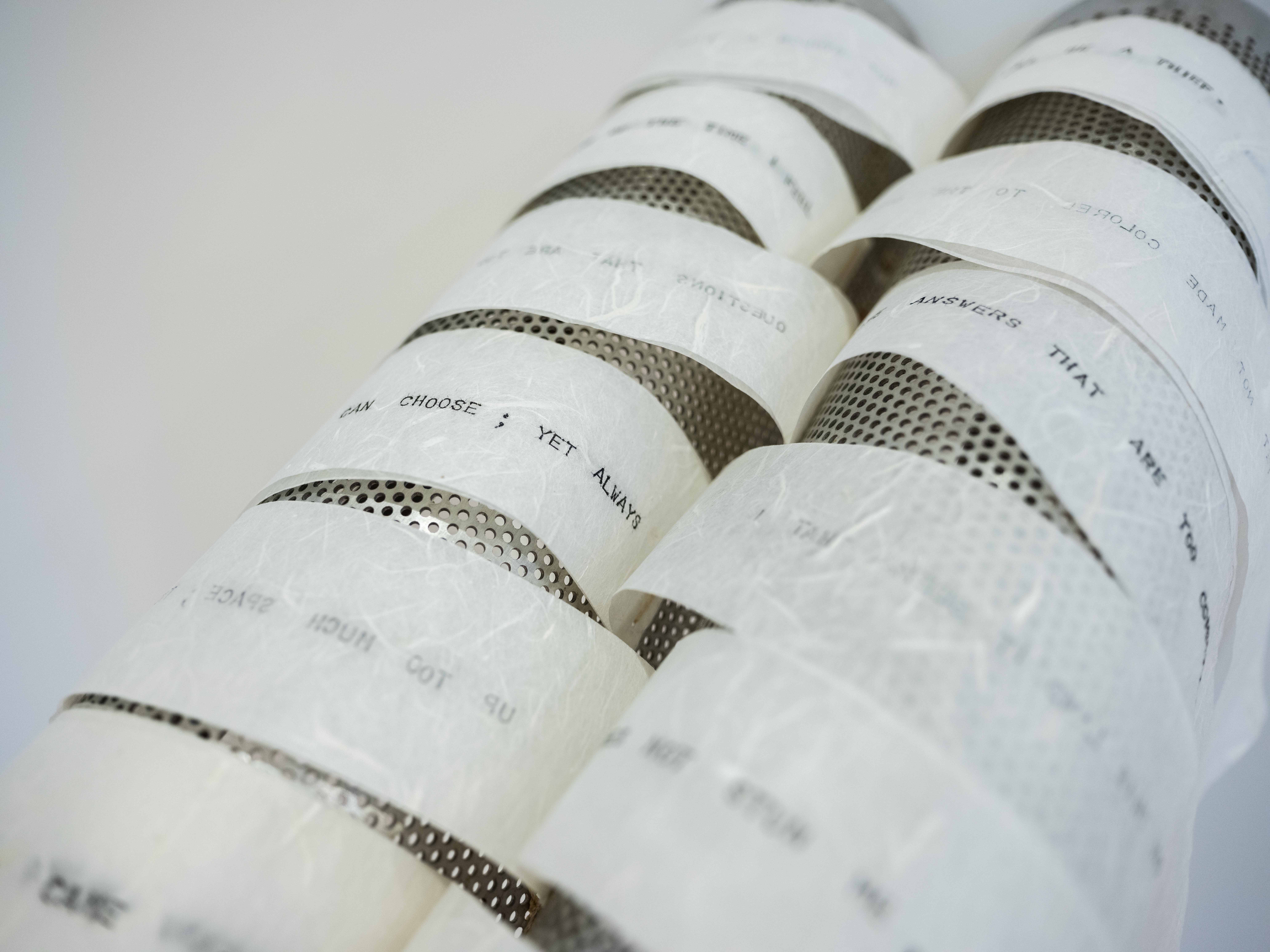
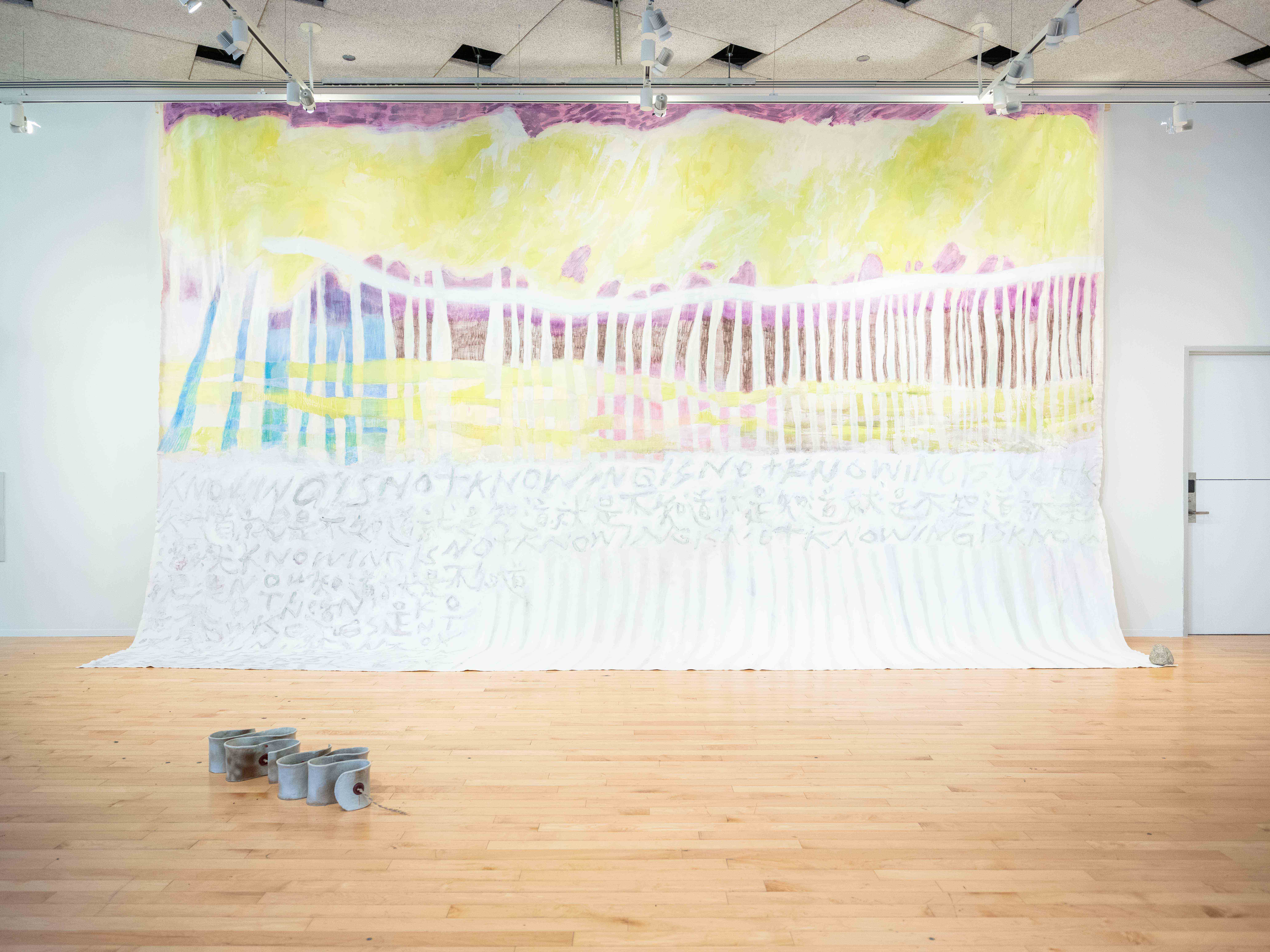
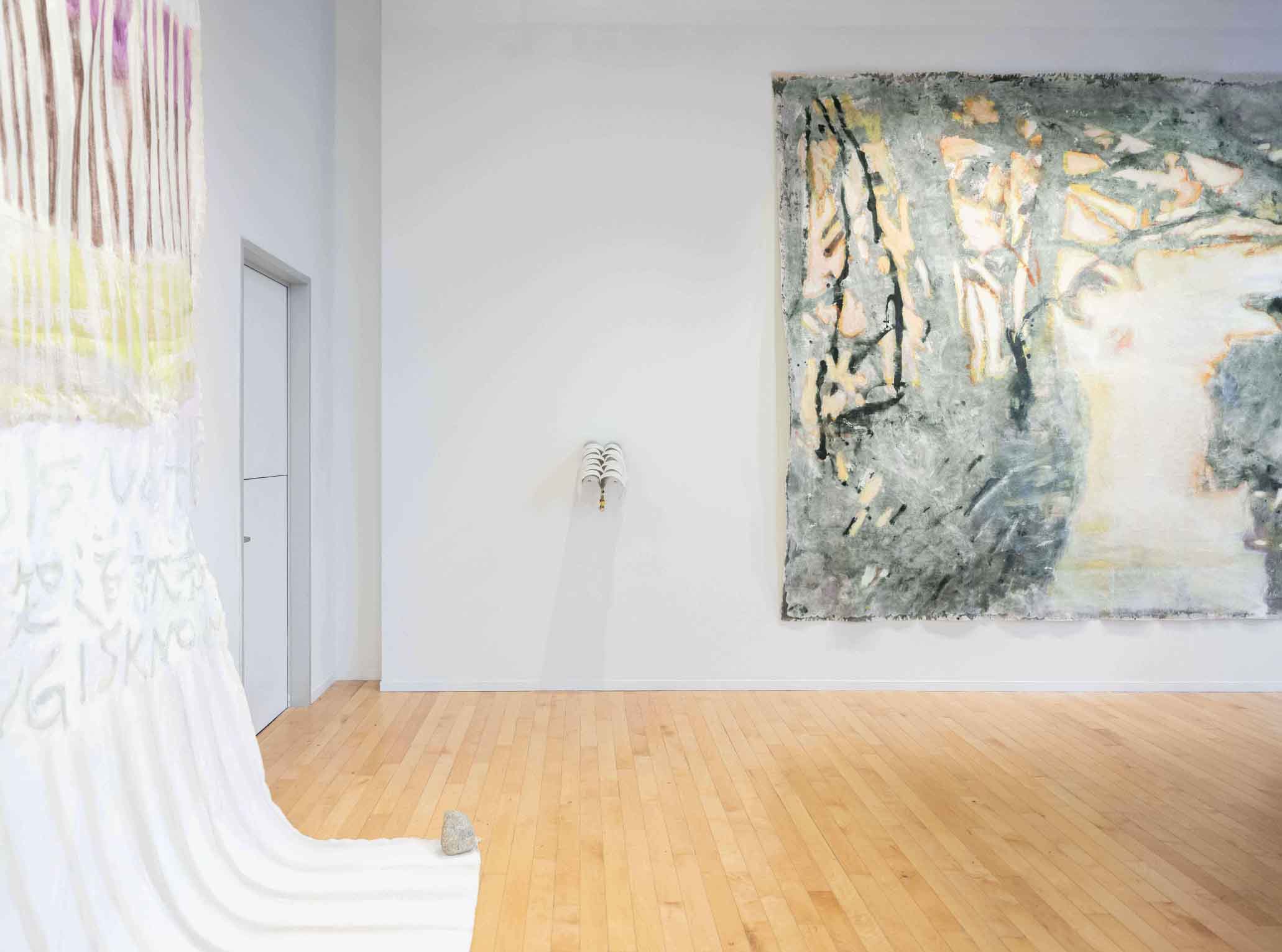
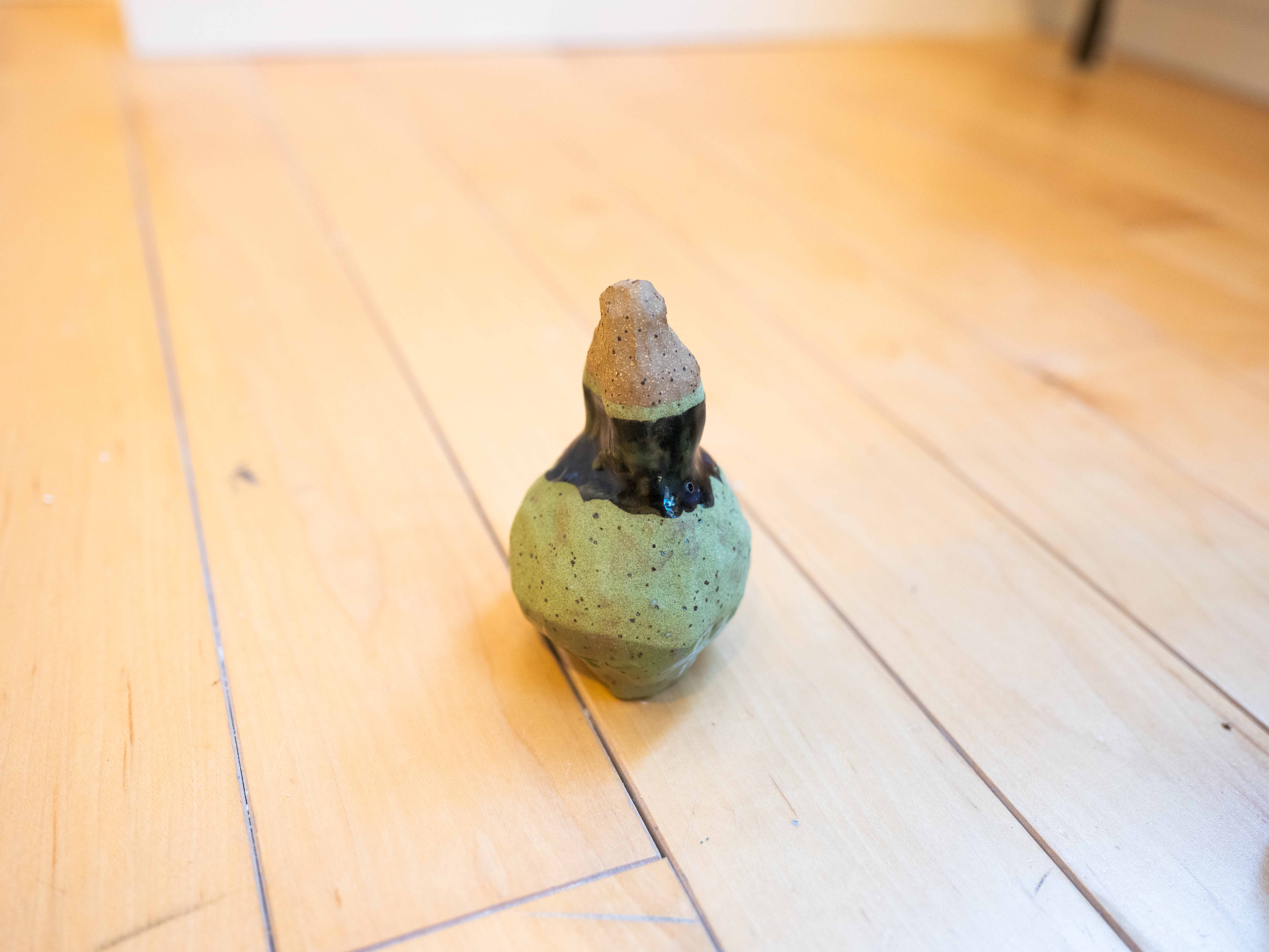
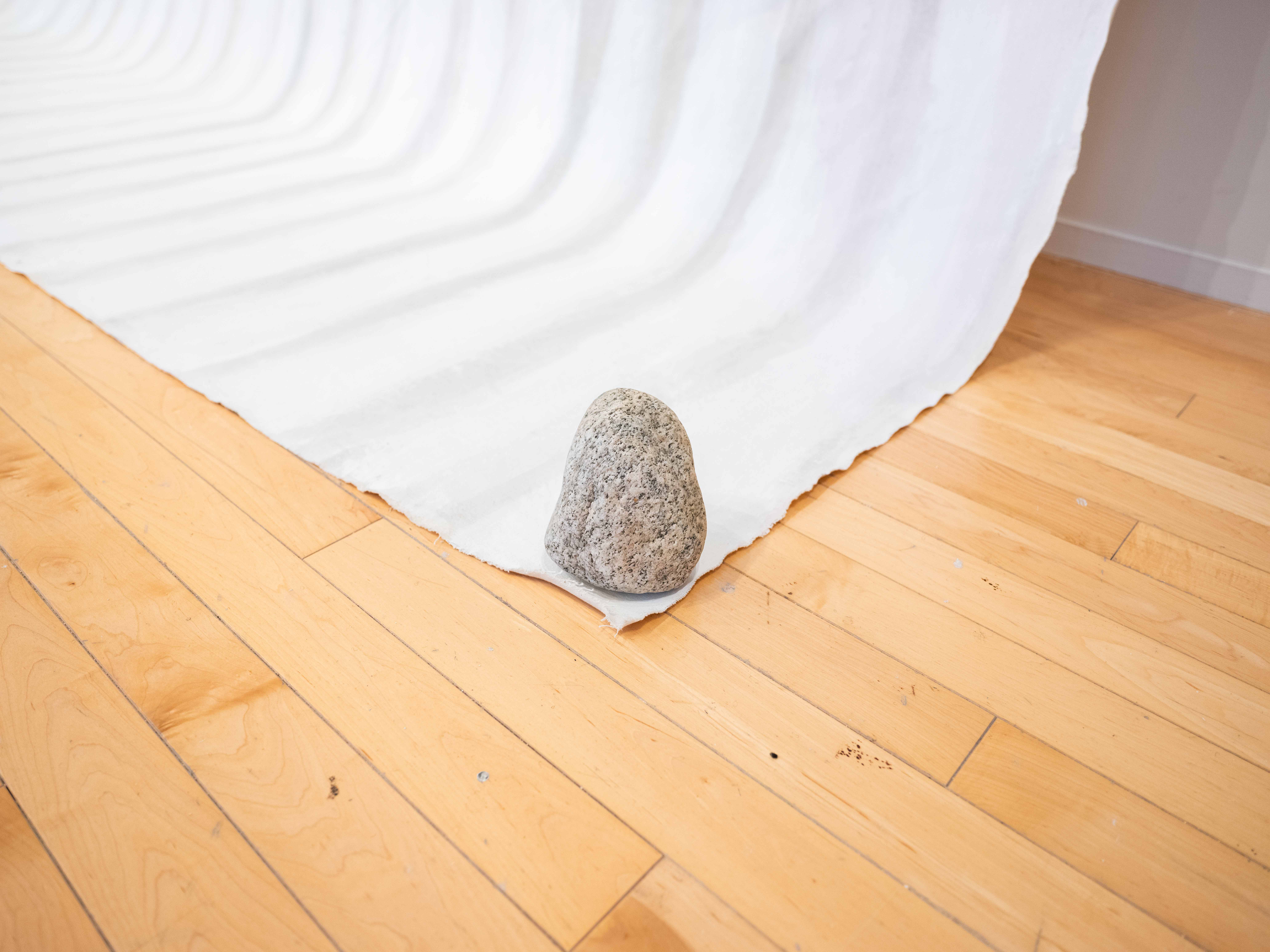
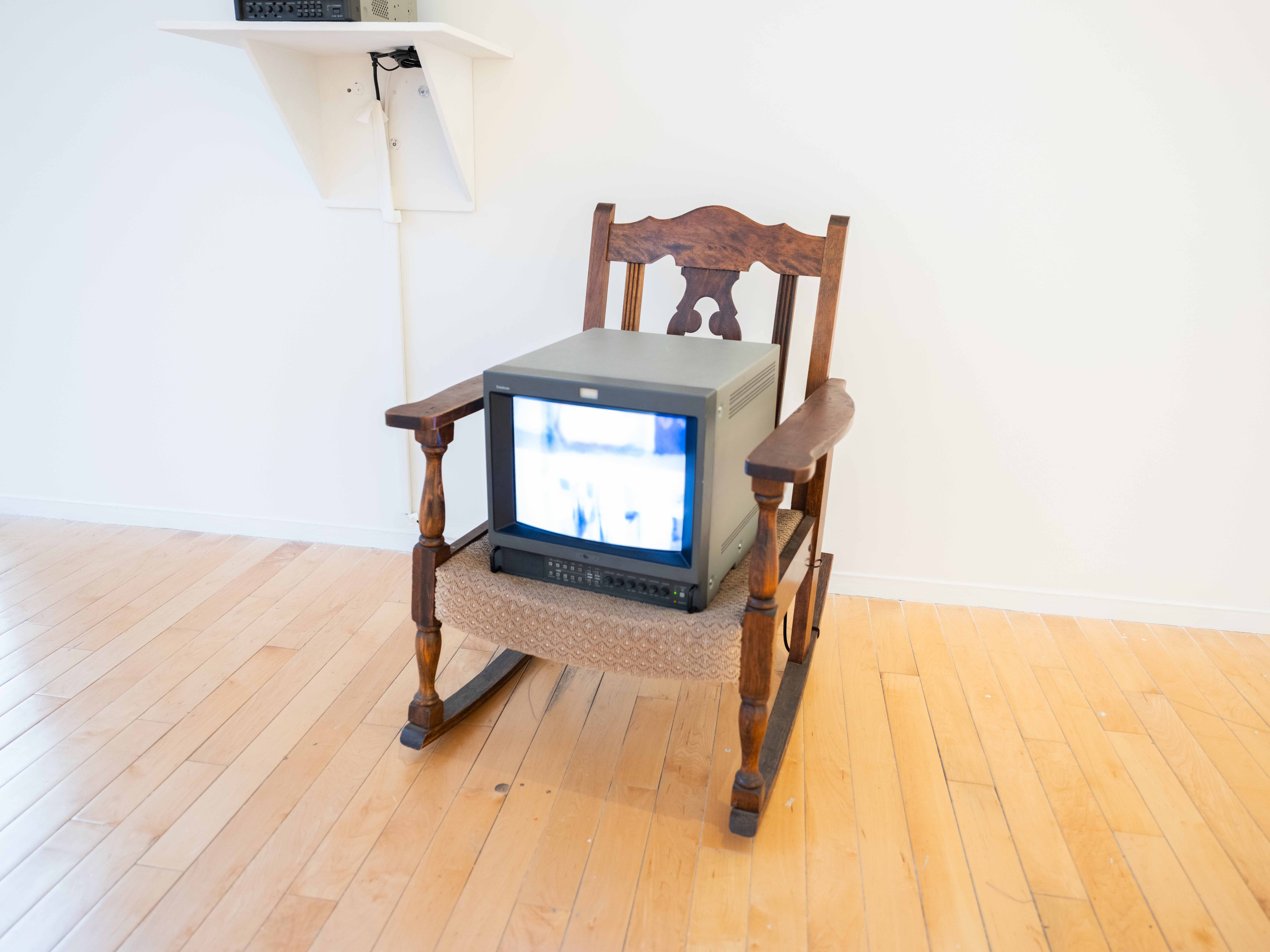
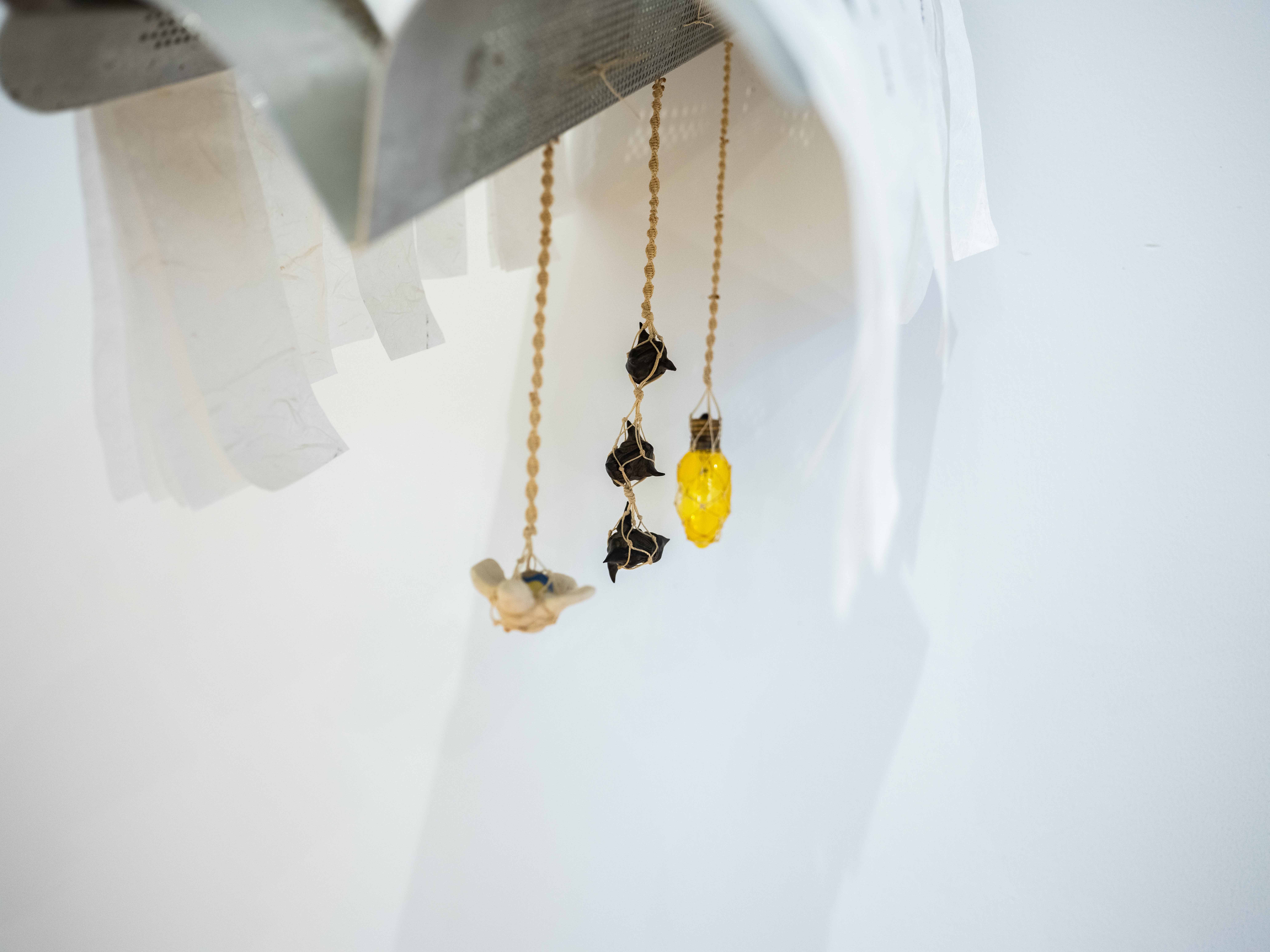
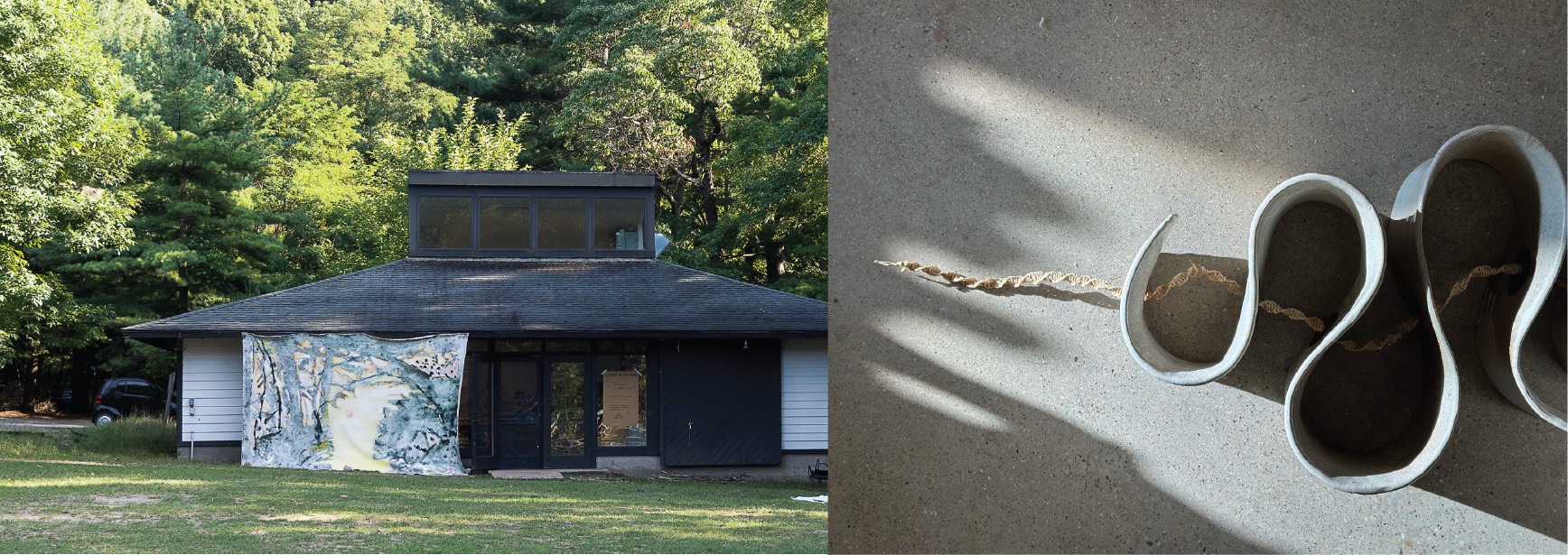
“To speak all that is known”—this is the promise within the phrase 知無不言. Yet knowing itself is never whole, and language trembles at its edges. Some truths blur with time, some memories fracture, and some inheritances weigh too deeply to surface in words. The phrase carries both longing and impossibility. What we can be told is never complete; what resists words still lingers in breath, gesture and touch. Through ceramics, artist books, painting, and moving image, Winnie and Yan weave a dialogue that drifts beyond language, tracing the quiet residues of trauma, migration and identity. What remains unspoken does not vanish—it gathers here, alive in texture, rhythm, and presence.
Programs
Opening Reception
Friday, October 17th
5:00-7:00 PM
SITE Sharp Galleries
Artist Talk with Jessica Jackson Hutchins
Monday, October 27th
4:00 PM
SITE Sharp Galleries
Interview With Winnie Szu & Yan Wang
What’s your earliest art memory?
Yan Wang: I was drawing from a really early age. I loved doodling characters and making comics, if you could call them comics. I drew like how I played with my toys; I’d pair up Barbies with dinosaurs and just make up a story to entertain myself. I guess that’s when I started doing something art related… I also grew up in my parents’ study where they had a lot of art books since they work in interior design. I don’t even know if I remember what I saw in those books, but they were always in my surroundings when I played.
Winnie Szu: I have aphantasia [the inability to voluntarily visualize mental images], so I don’t really have a strong autobiographical memory of my own life. I don’t remember much, but there’s this picture of me in Kindergarten holding a cutout rainbow made out of scrap paper or something. And I suppose that’s probably my earliest memory of making art, but I always liked arts and crafts and drawing like all other kids. Also, my mom studied library science, so she was really into the arts as well. She’d take us to see Phantom of the Opera almost every year. So yeah, there was something about growing up in that environment that made art come pretty naturally.
Can you talk a little bit about your collaboration process for this exhibition?
YW: We have our studios face to face in the Washington building, so we’ve known each other since the beginning of our grad program. Winnie’s studio always has guests because painting people love to chat, if they see your light on they will not leave you alone [laughs]. And if I’m in the mood I’ll join the chat. So we were seeing a lot of each other’s work, and we share a lot of similar sentiments from the backgrounds we grew up from. We just had this trust that our work could create a certain conversation.
WS: I think it’s just fun. Like, I think that one of the advantages of being in school is that you can actually get to know artists here. I’m always very aware of the idea of community, and having this chance of working with someone I know is just way more interesting to me than making a solo show… We decided early on that Yan was going to use the floor space mainly and I was going to use the wall space. The overall idea was that we were going to make stuff in different mediums that are facing the same direction about a loose topic or idea within the curatorial statement.
YW: I think the decisions in our work were shaped by the application process for this exhibition, too. Because just from the beginning we had to picture the space, doing the floor plan, being like “oh, I have these works in progress but do they actually fit in this gallery?’ That kind of started the thinking process for this, and after we got the show, we had a summer to figure out a plan with this big wall and this big street facing window. I think that idea really kind of drove the works in the show to become what they are right now.
Who or what would you say has had the greatest influence on your work?
WS: This might be a very lame answer, but I think it’s probably my mentor. I had this mentor from middle school to college, and we’re still in touch now, we’re very close friends, and he basically led me on this art path. When I was in middle school, I wasn’t sure if I wanted to do art for all of my life. But he bought materials for me and my friend, and he tutored me all the way here. It’s been a great relationship.
YW: Every time I’ve been asked this question I mention Nancy Spero. I feel like she should be more well known. She was based in New York and started this feminist gallery and had an extremely long career. I was first interested in her because I started out in printmaking, although I’m working more in ceramics now, but she did a lot of drawings and 2D/sculpture combinations. Her art is very confronting to all the wars and political issues that happened in her time. She was just this really tough woman who intimidated a lot of people. I’ve read a lot of her writings and interviews, and I went through this phase after finishing my undergrad degree where I became tired of making my own art and being creative all the time, and I realized how incredible she is to have such strong energy and faith in expressing what she thinks is important.
Do you have any daily rituals?
WS: In a chaotic artist’s life like this? [laughs] I’ve been trying to stick to one for more than a year, but it’s just never worked. I feel like I really wanted to have a ritual for my work, but I guess I’m a Gemini so it’s hard for me. [laughs] But right now it’s been making tea, I make tea before I start thinking seriously about anything. And it’s been like this for about three or four months, so let’s hope it sticks.
YW: I don’t do this every day because I have too many morning classes this semester, but I always try to spend at least half an hour making my coffee. I hand grind my coffee, and I find that the strength I need to do that wakes me up every morning.
What’s the worst piece of advice you’ve ever been given?
WS: There’s actually quite a lot.
YW: I try to forget all the bad advice I get; it’s just not helpful. I’ve gotten a lot of irrelevant advice in critiques, a lot of “you should do this, you should do that.” It’s just not something that’s part of your practice but they say anyway because it’s something that’s in their mind. I heard bad advice during crit week from some people on the panel — also probably their first time seeing my work — and they just gave me all the famous artist references that everybody knows, and I’m
like, is that helpful?
If the Art Institute was on fire and you could only save one artwork, which one would it be
and why?
WS: Very impractical, but Sky Above Clouds IV by Georgia O’Keeffe. Or this other huge,
greenish Bonnard painting, [Earthly Paradise]. I’d like to have them in my living room.
YW: I know the paintings are important but they’re kind of, like, not my business. I keep thinking of the metal pull tab weaving stuff that they hang in the entrance to the modern wing. I don’t know if it’s still there… I’d probably save some fiber works. I honestly don’t know if any of
the works I remember liking are still showing, but I’d save those.
Interview conducted and edited by Eugenio Salazar Castro
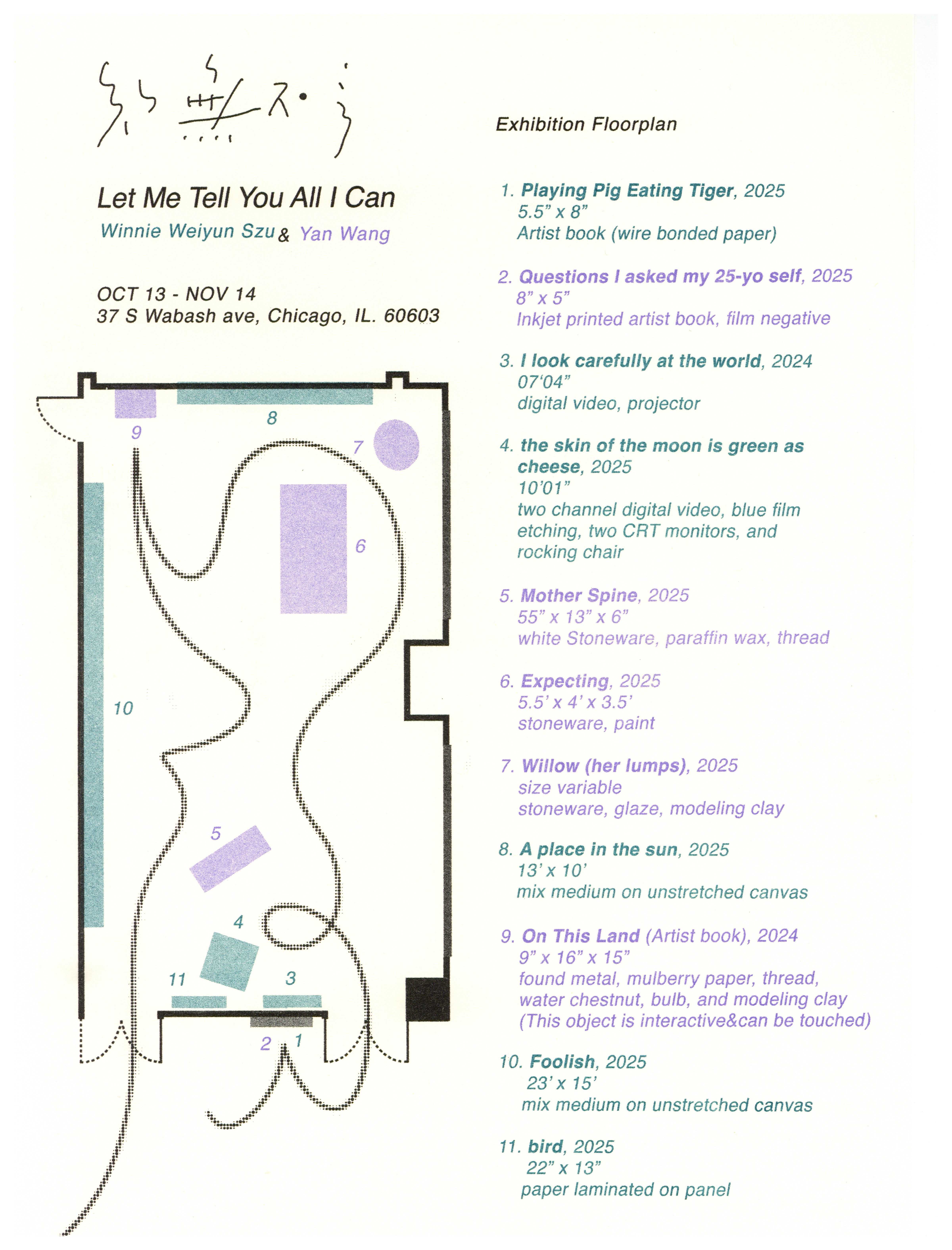
Exhibition Material