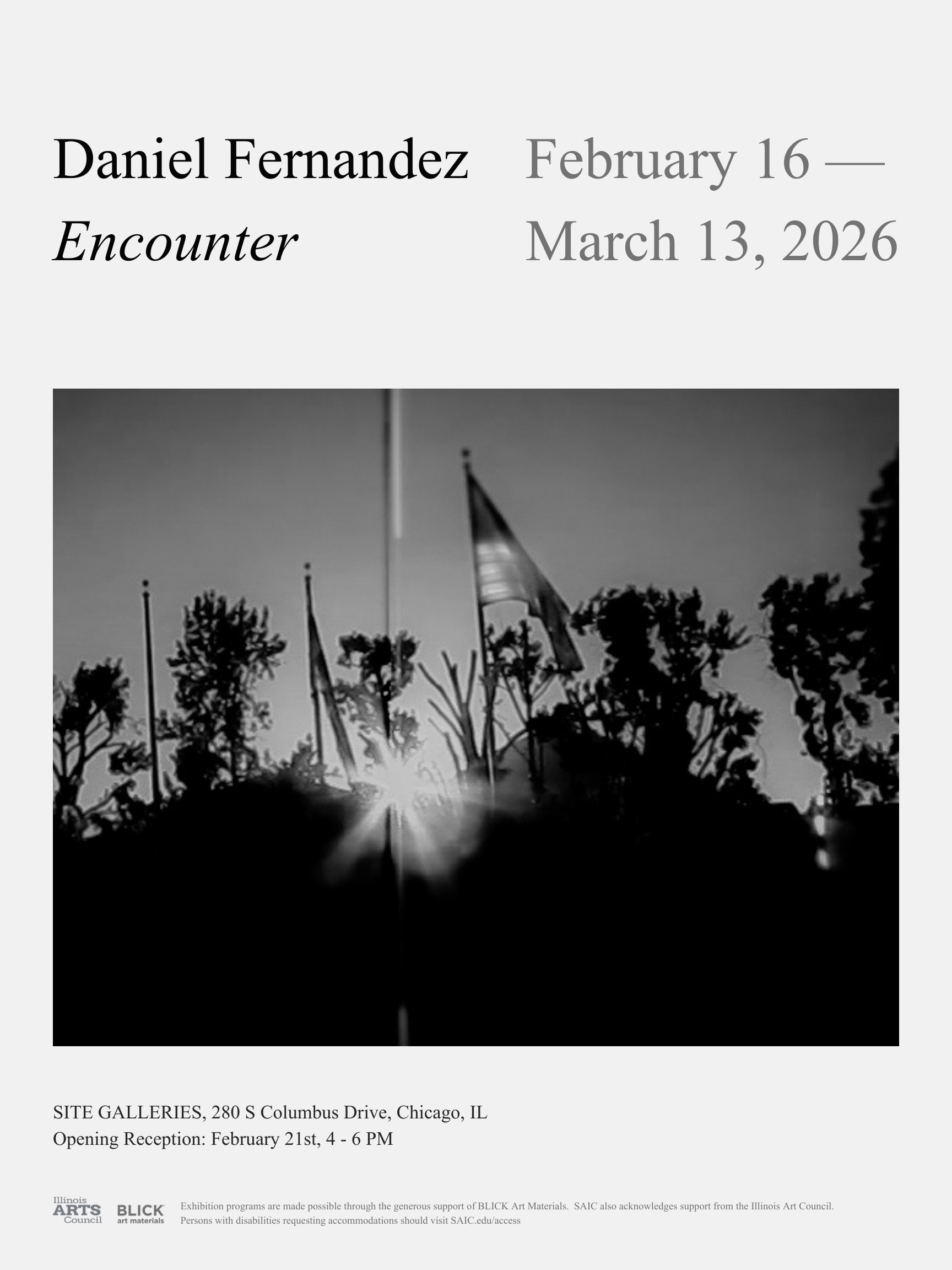
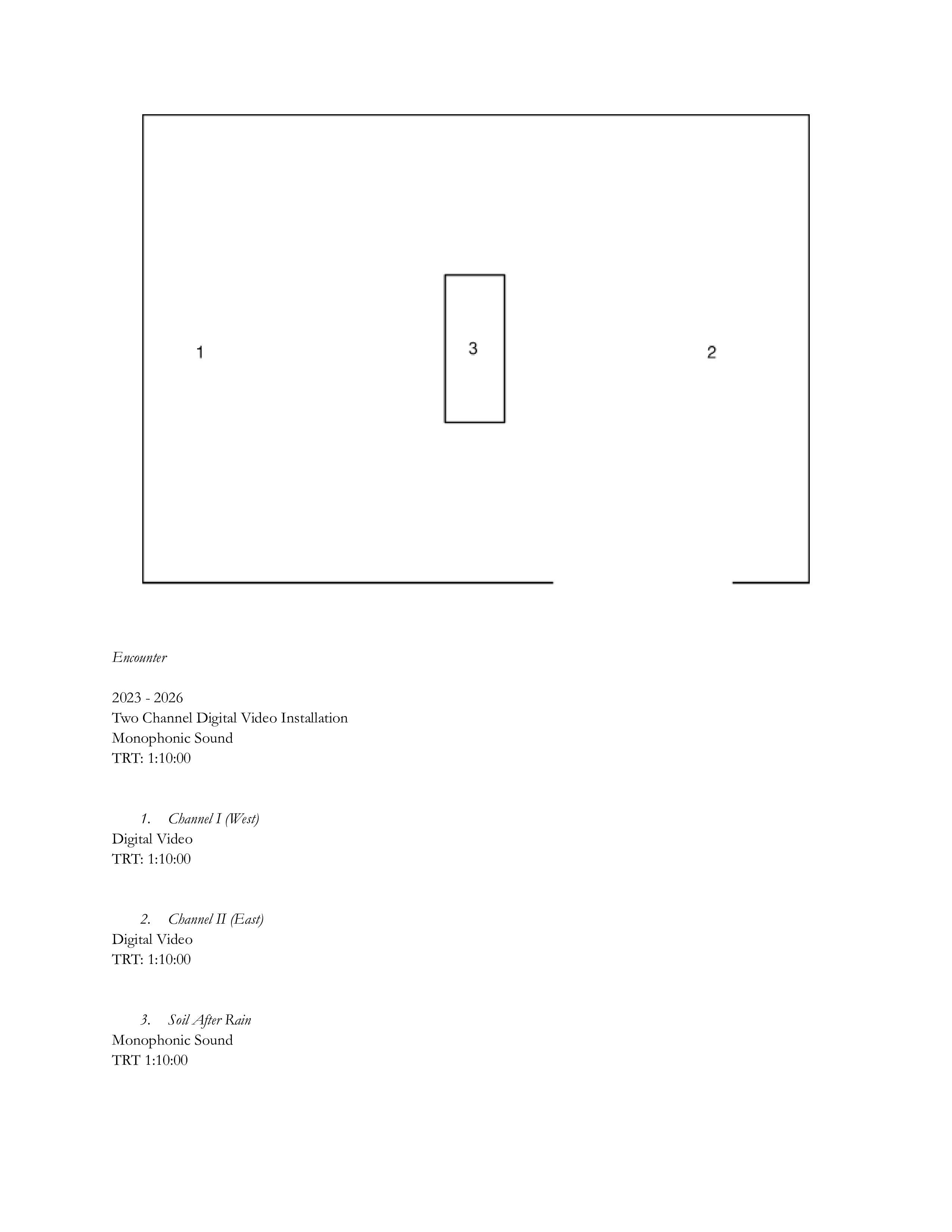
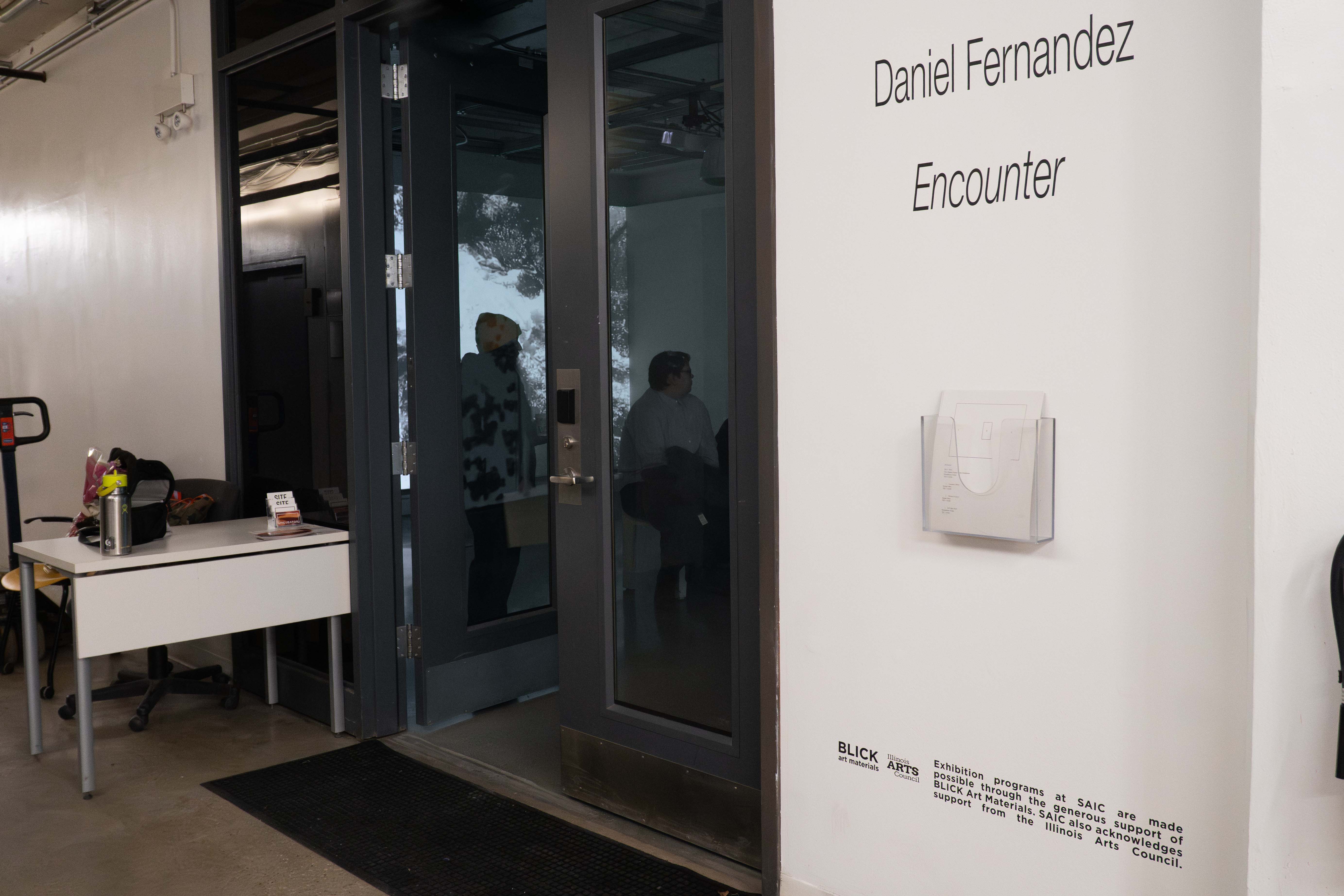
Encounter
Daniel Fernandez
February 16 – March 13, 2026
SITE 280 Gallery
Contributing Artists
Daniel Fernandez
Exhibition Statement as Preserved in the SUGS/SITE Archives:
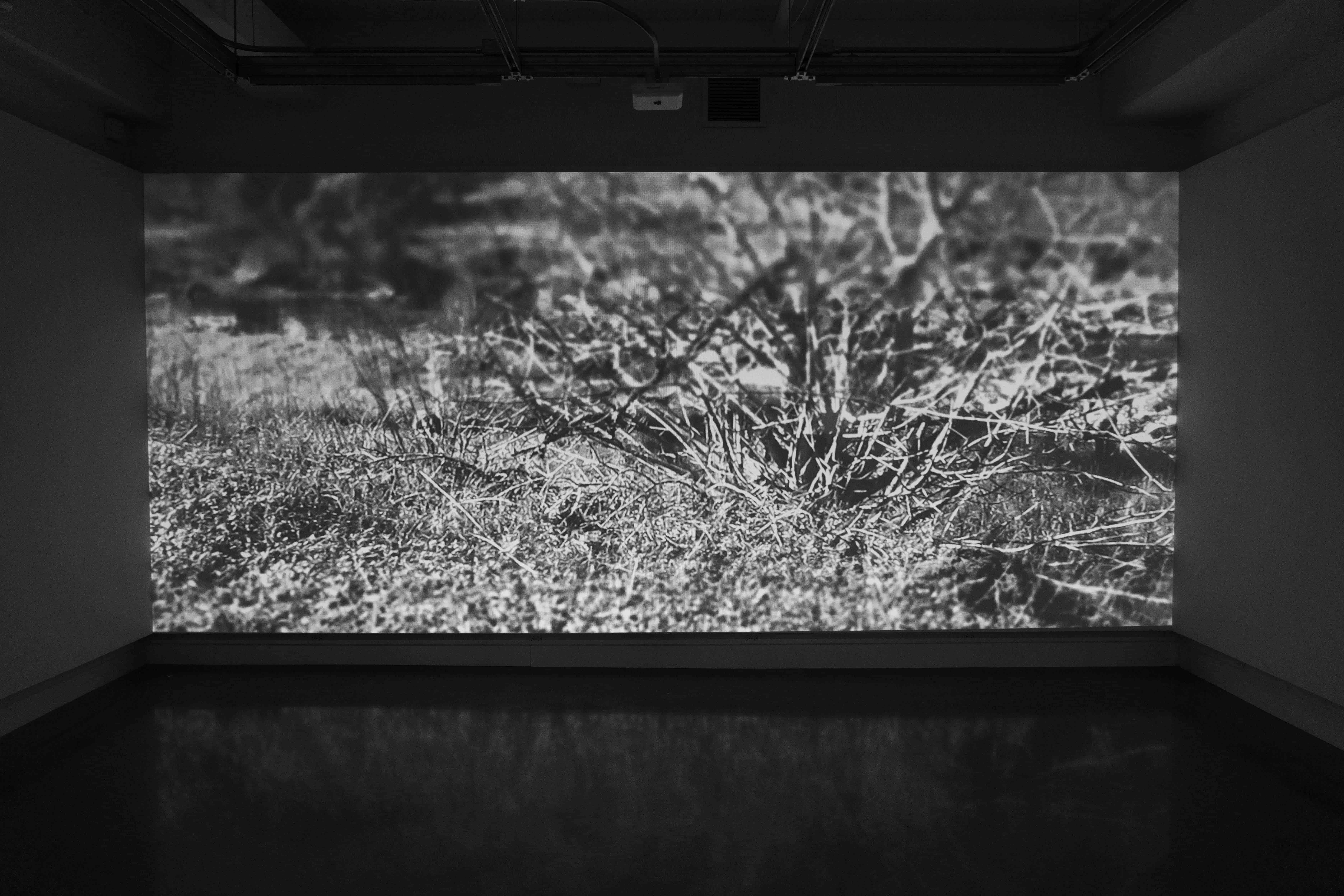
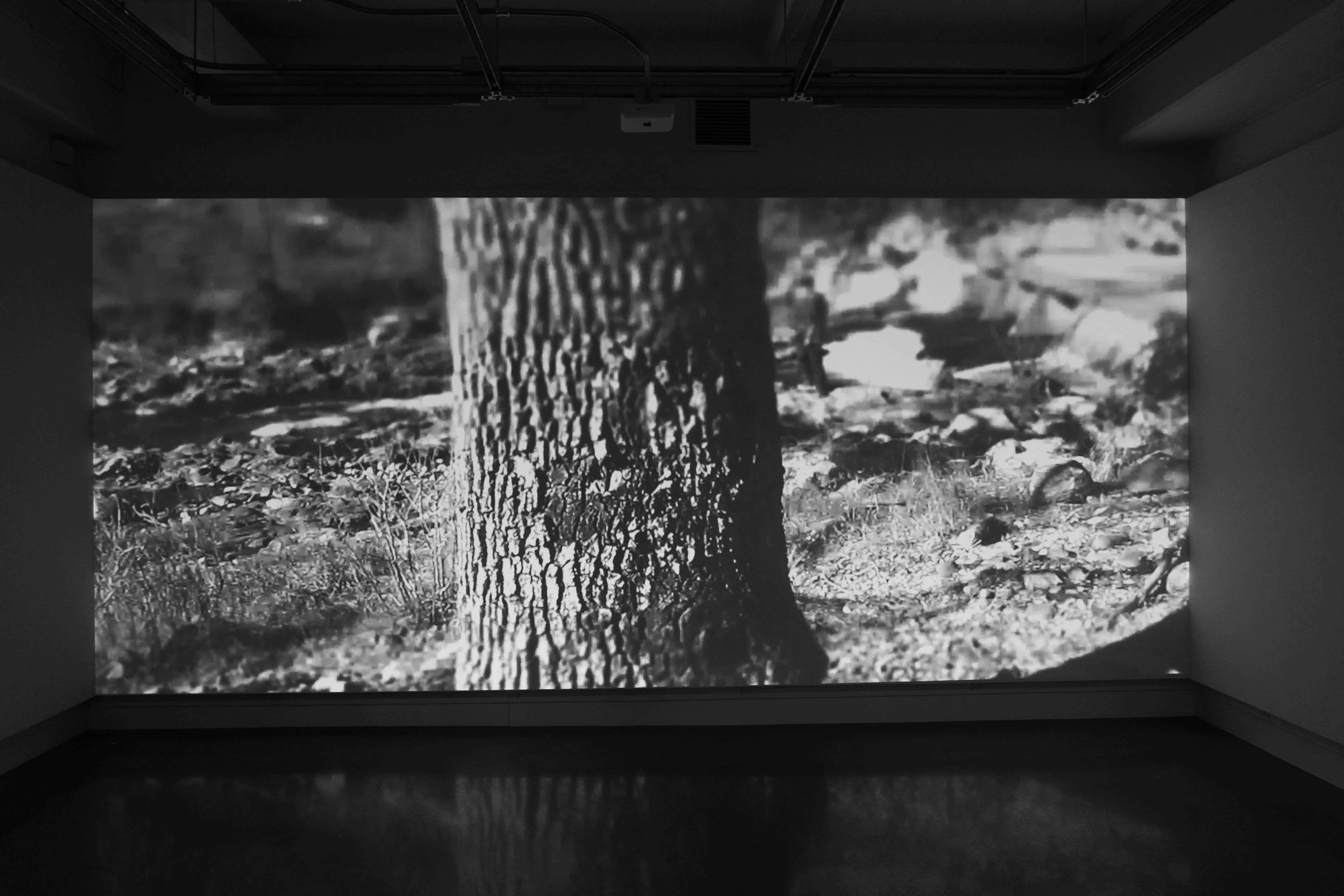
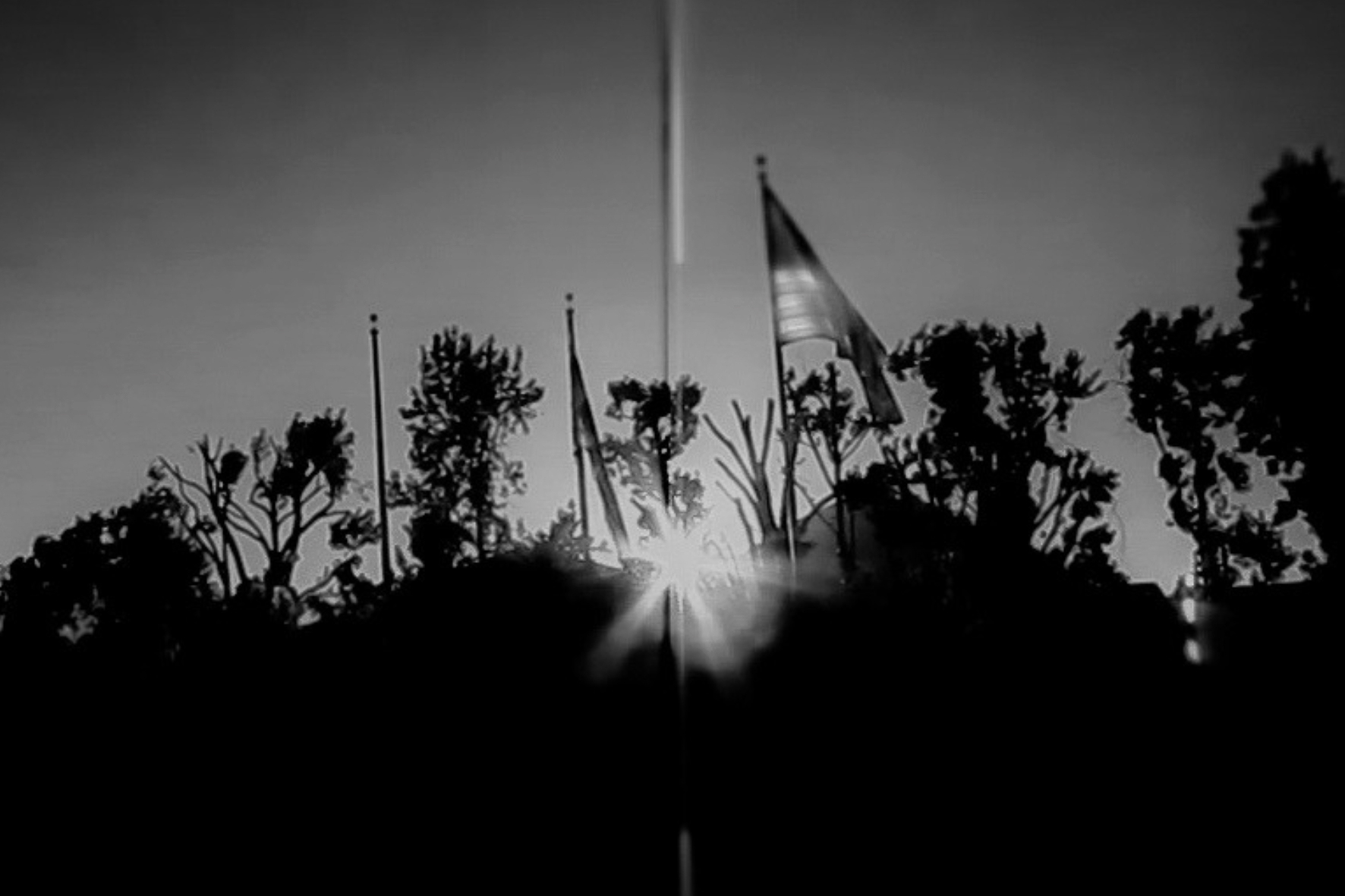
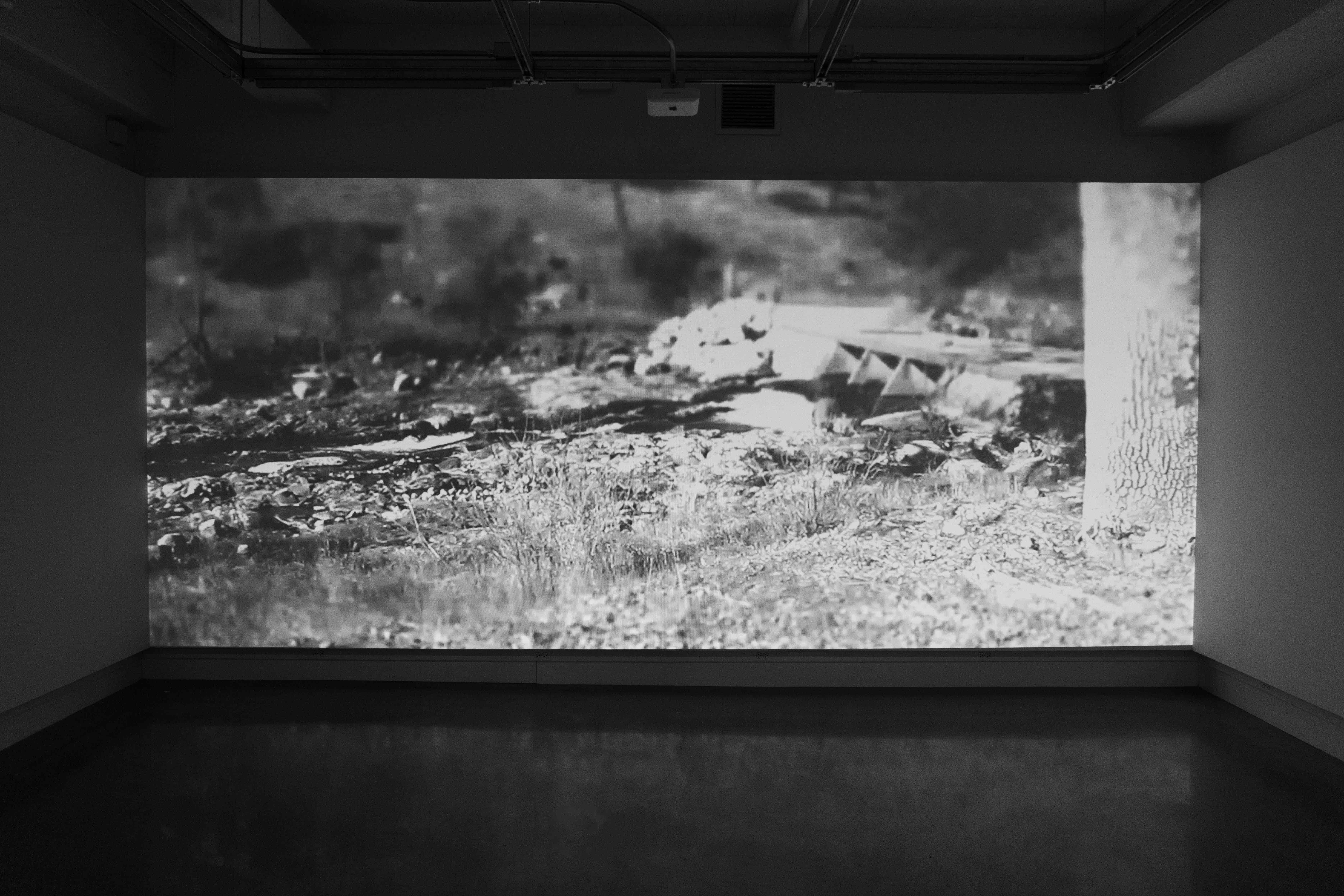
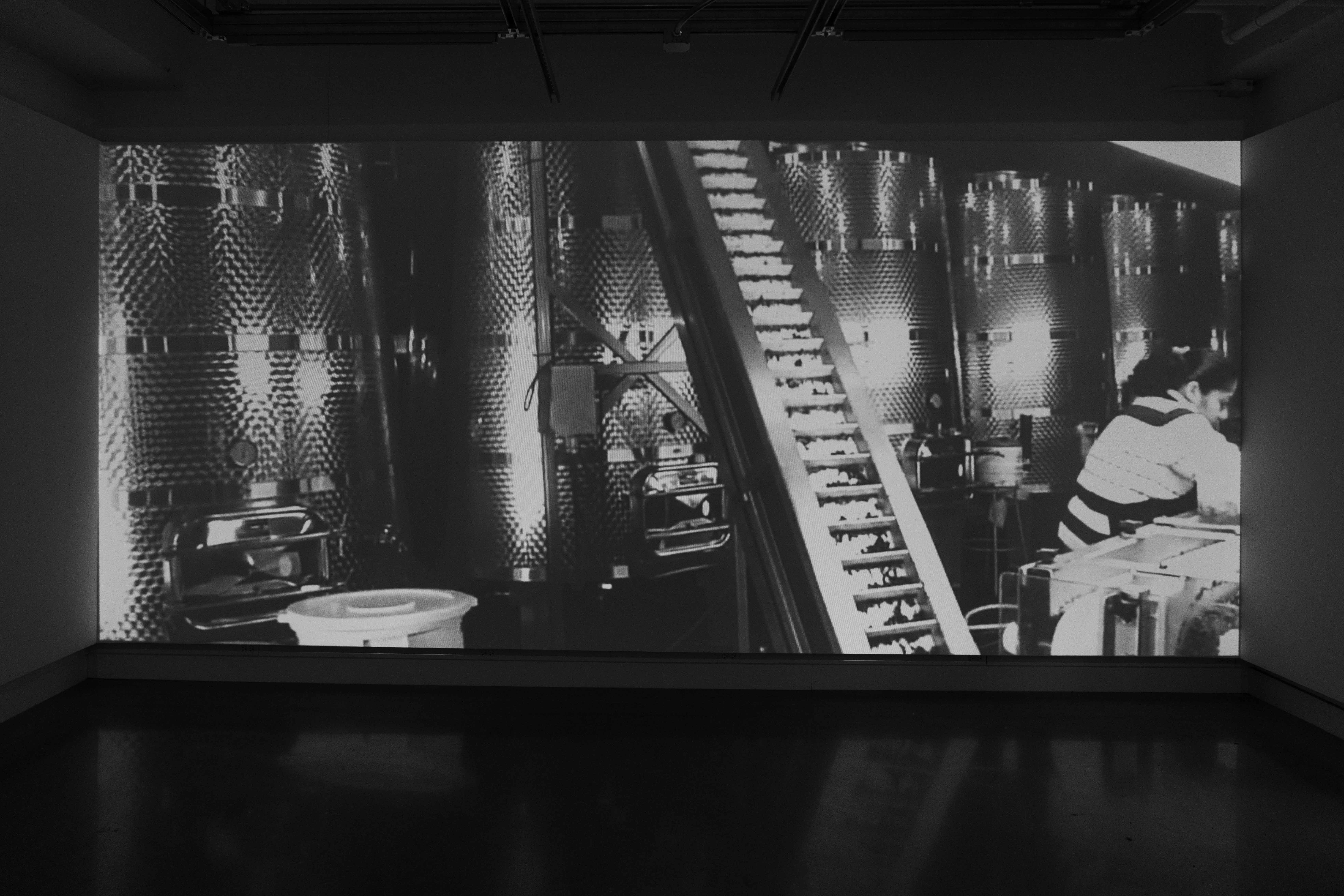
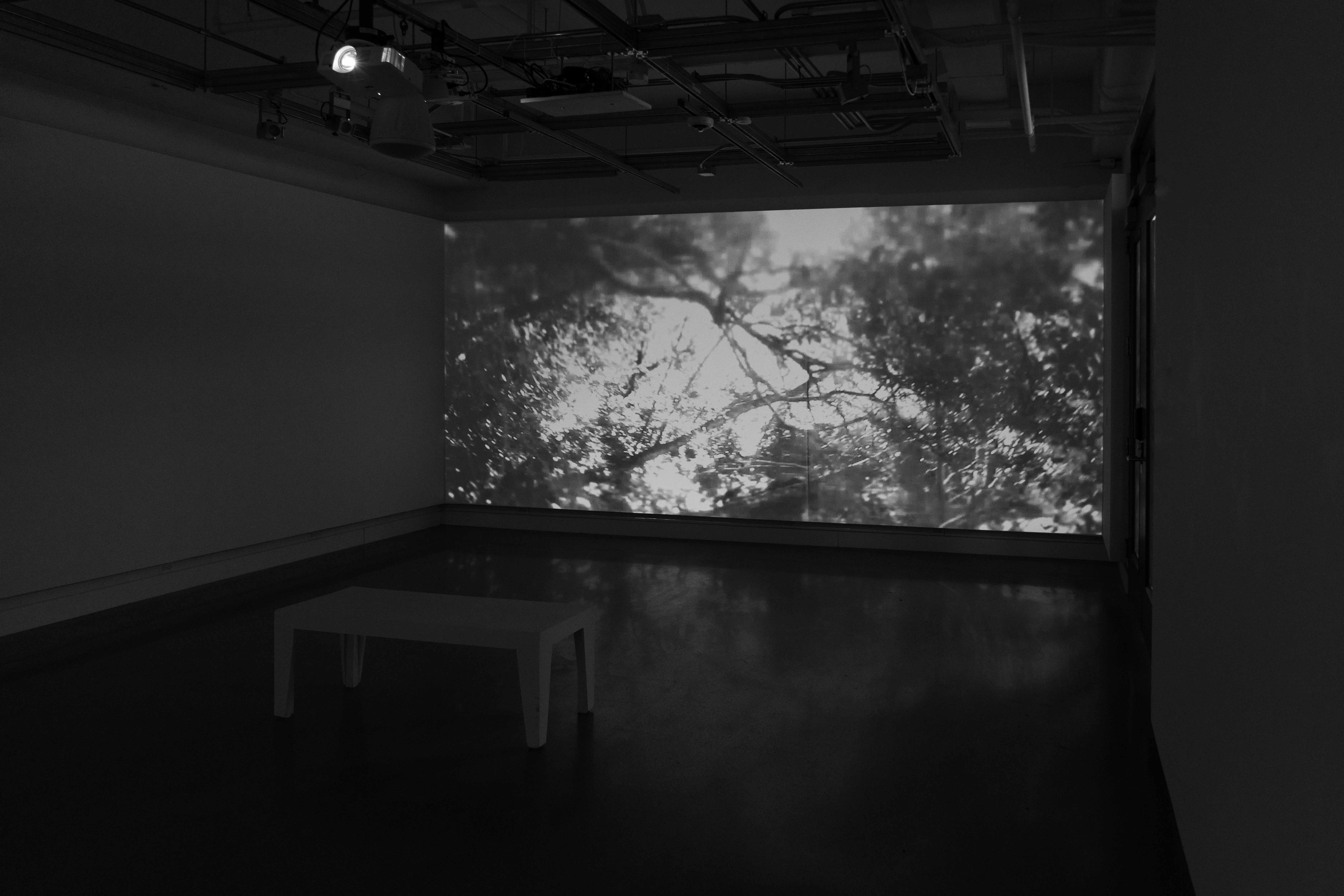
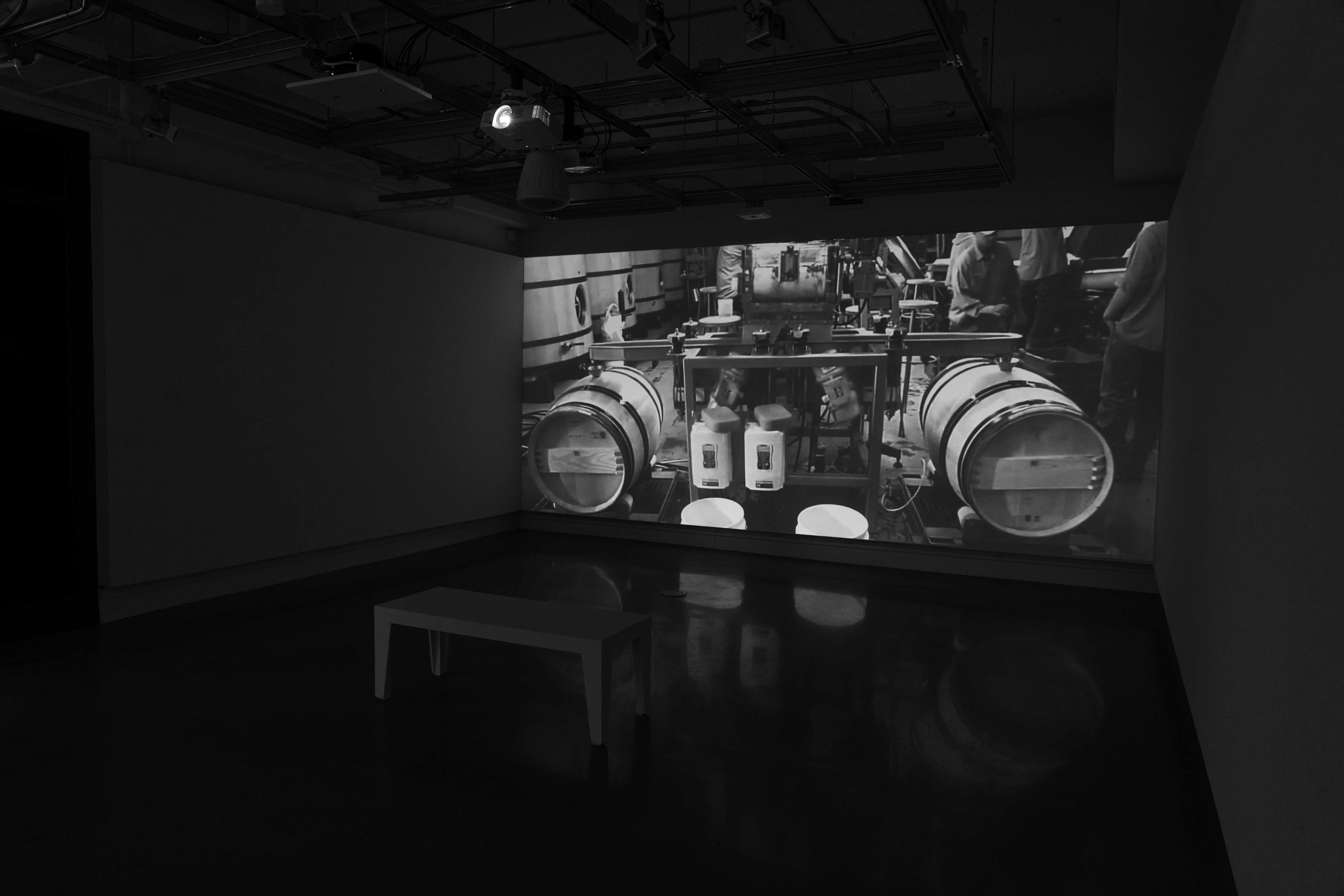
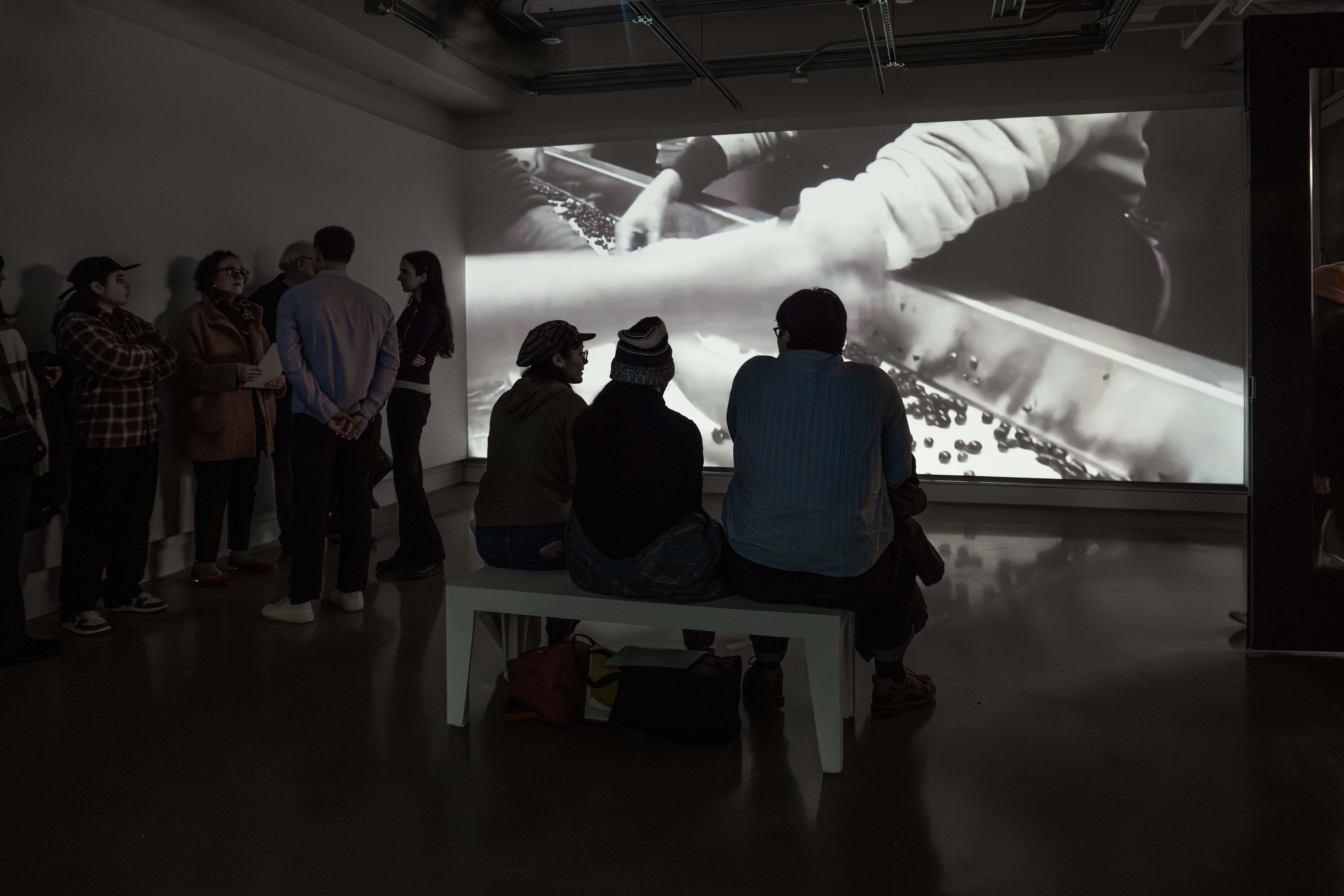
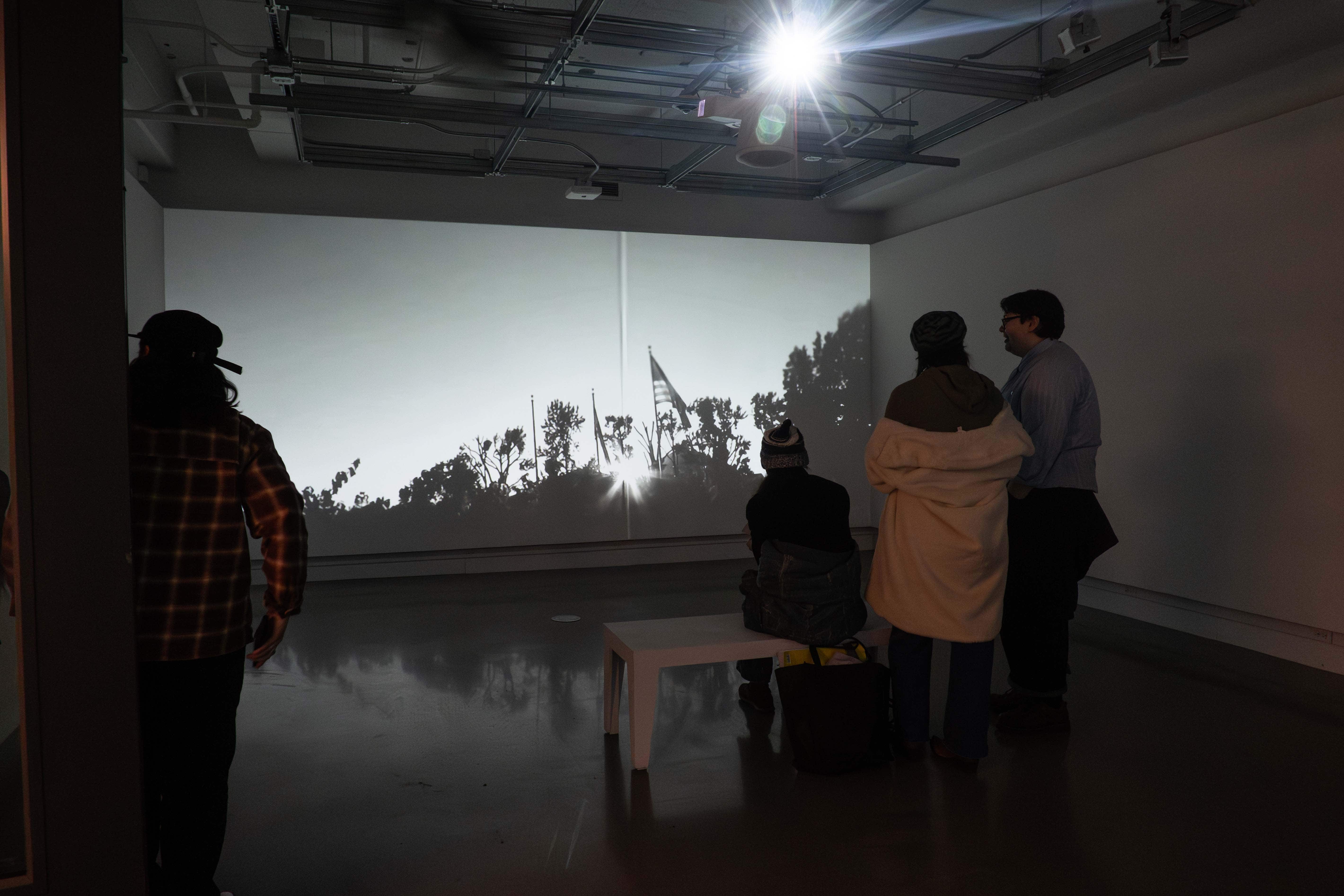
“Daniel’s work here attempts to image such a vestige: those who are cast into a certain existential condition as laborer tasked to (re)produce the material means of industrial capitalism, while at the same time subject to some of its most intense alienations. These works are experiential, a commitment, a task, they take up time, in the present, so as to conjure an image of what is not normally seen (even unseeable) and yet remains that which supplies the temporal-material relations that organize our lives.” — Benjamin Melamed Pearson, Associate Professor of Contemporary Practices
Programs
February 21, 4:00-6:00 PM
280 Gallery
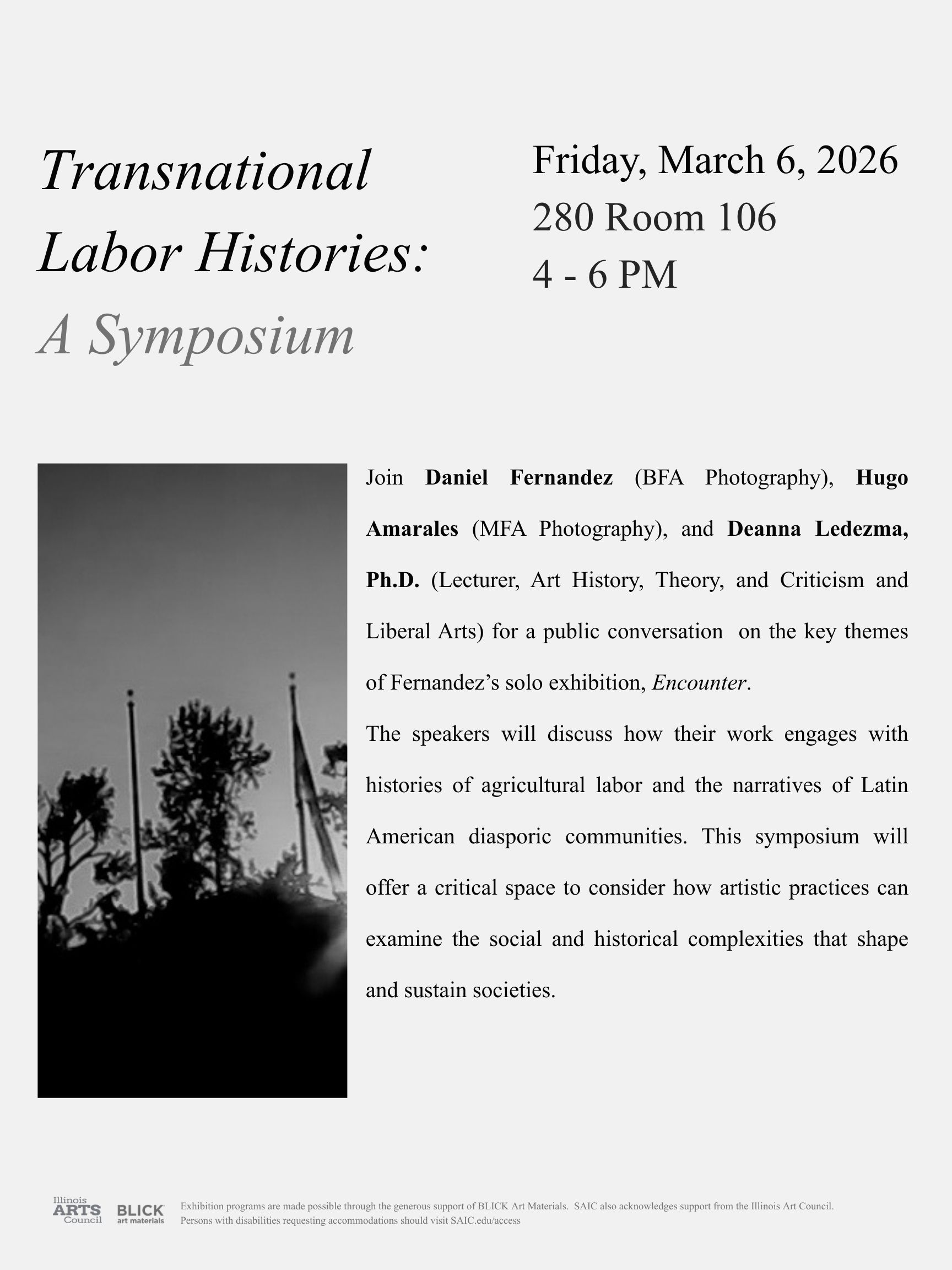
A Symposium: Transnational Labor Histories
March 06, 4:00 – 6:00 PM
SITE 280 Gallery
Program statement from the SUGs/SITE archive:
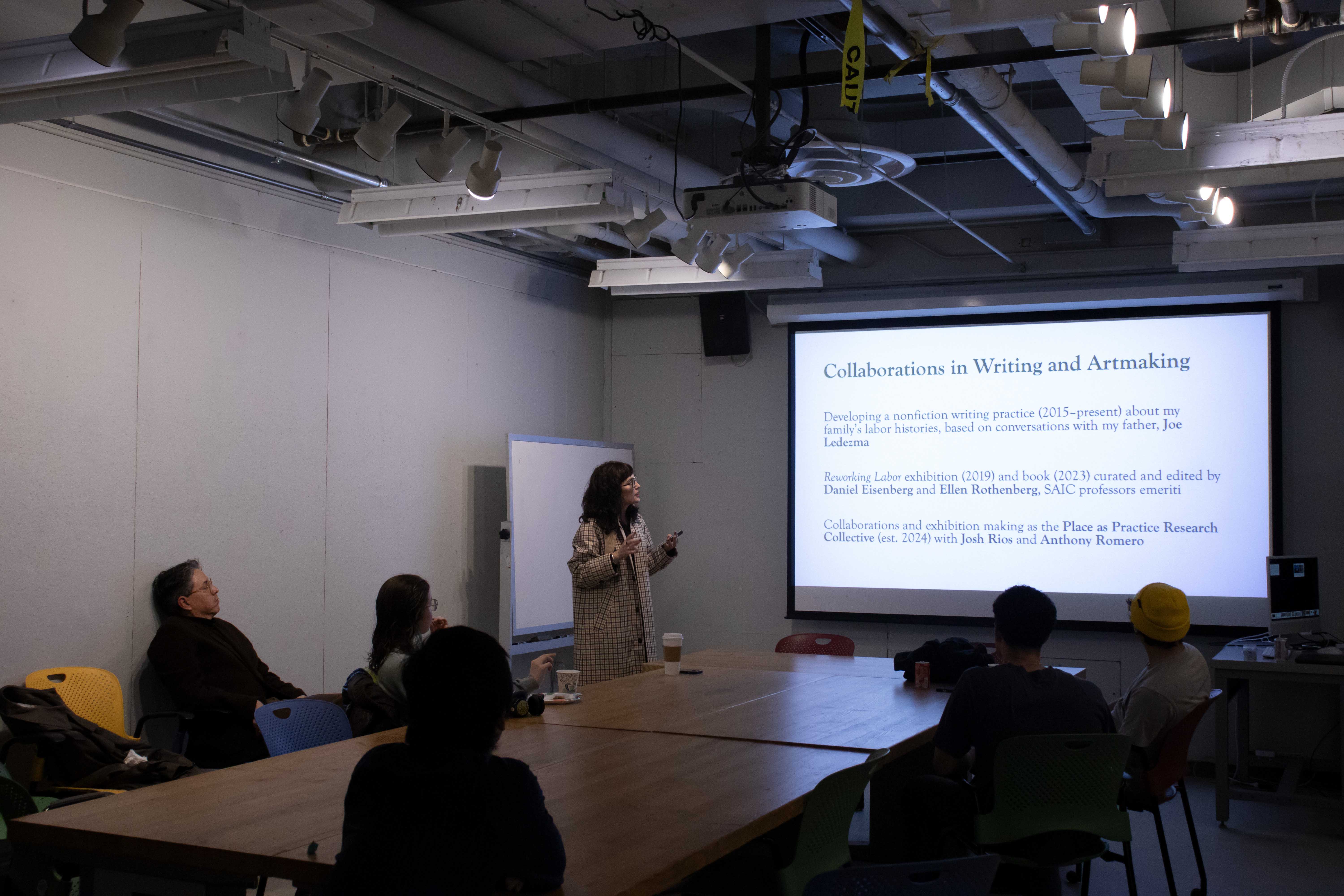
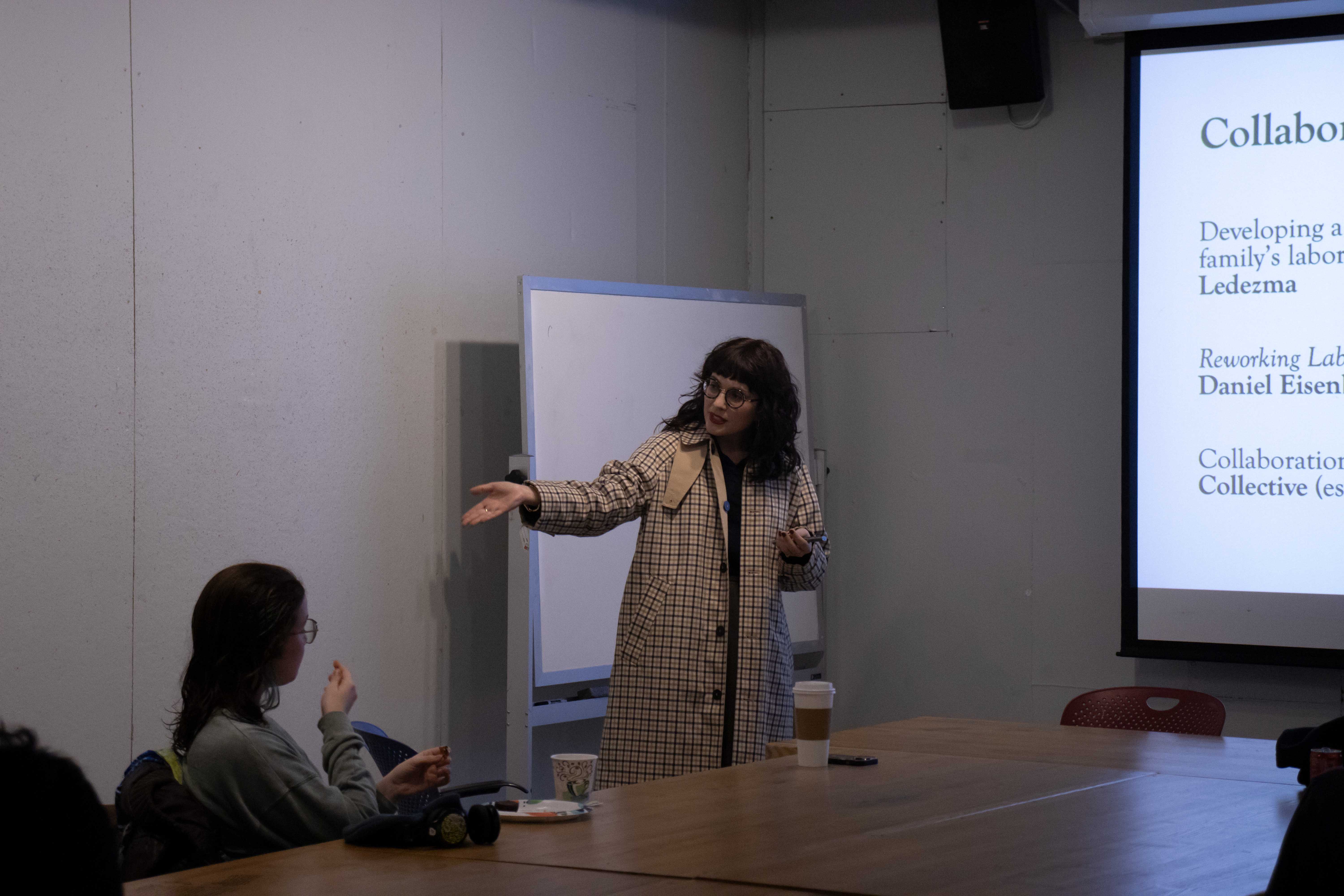
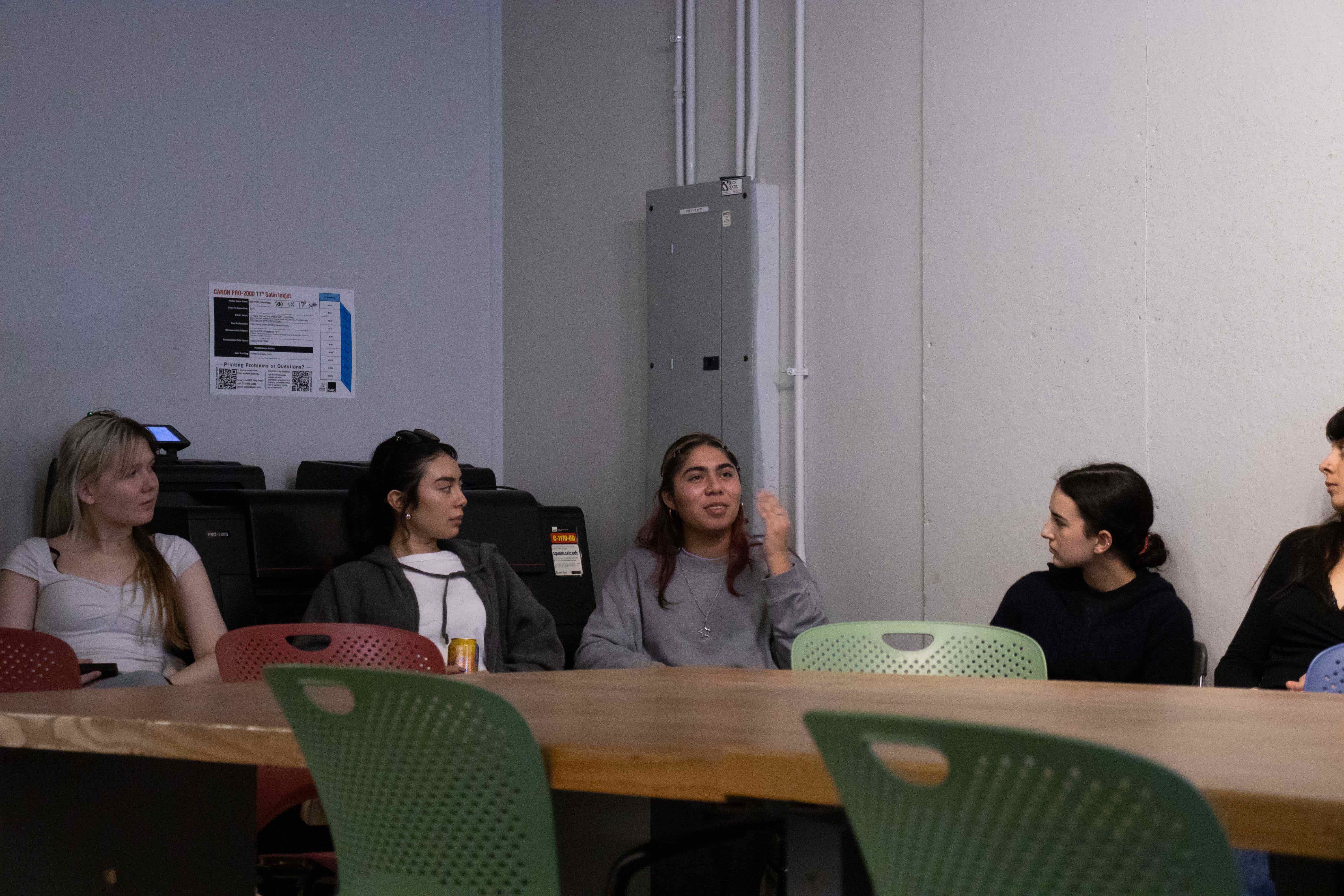
“Daniel Fernandez (BFA Photography), Hugo Amarales (MFA Photography), and Deanna Ledezma, PhD (Lecturer, Art History, Theory, and Criticism; Liberal Arts), will engage in a public conversation reflecting on the key themes of Fernandez’s solo exhibition, Encounter. The discussion will investigate photography’s role in conveying cross-border and transnational migrant experiences, with a focus on labor dynamics within Latine communities. Integrating artistic practice with critical scholarship, the panel will consider how visual strategies and narrative forms shape perceptions of migration and its intertwined social, economic, and cultural dimensions. Situated within the symposrnm Transnational Labor Histories, the conversation positions the exhibition within ongoing dialogues around representation, visibility, and the visual documentation of laborers and their descendants.“
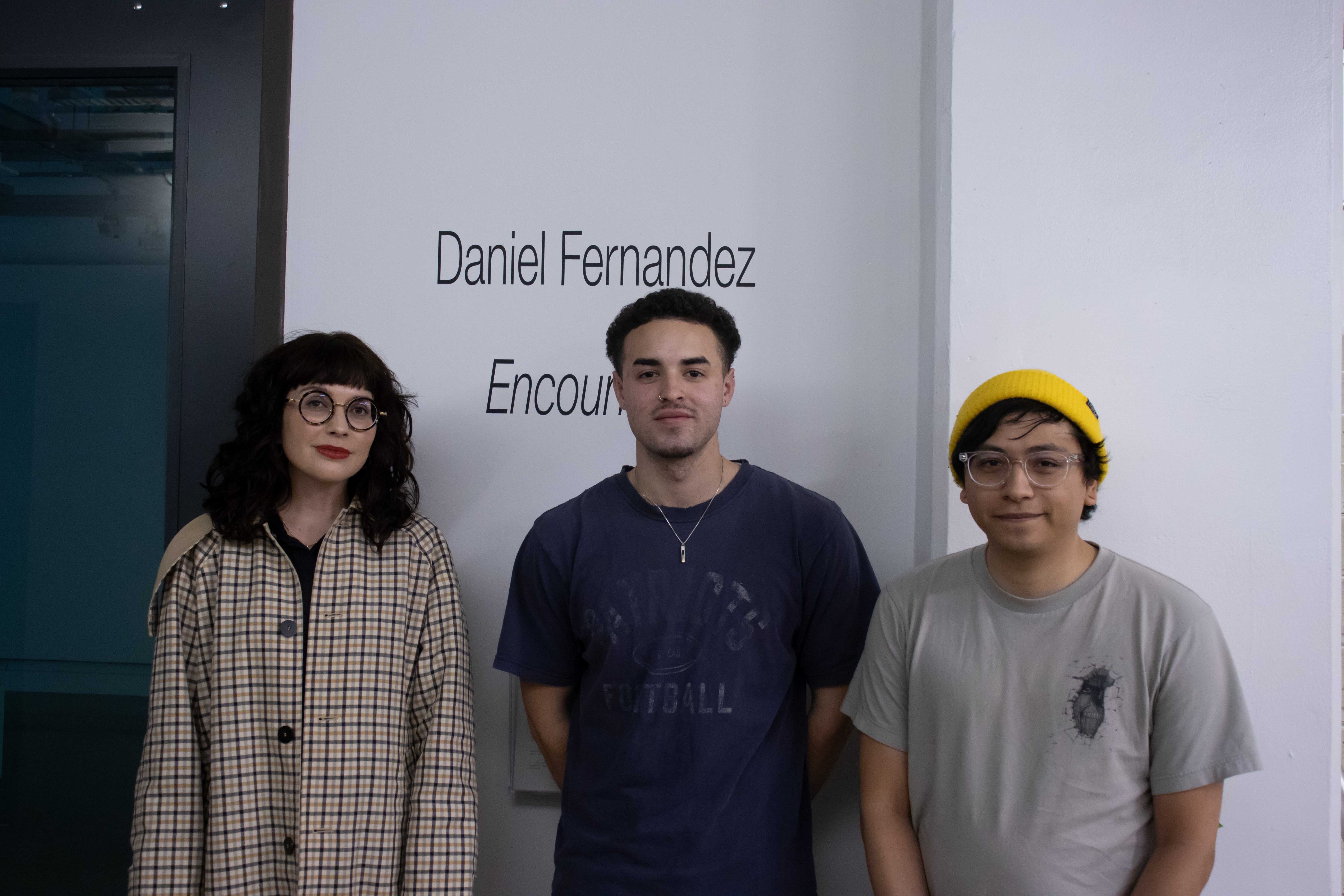
Interview With Daniel Fernandez
What’s your earliest art memory?
My earliest art memory would be with my grandmother in her tailoring studio. Just seeing the way she would tailor dresses and suits. There’s something I found very moving about the precision and the attention to detail. And I feel like because of that, years later, I took a lot of those attributes I learned from her into my practice.
Do you believe in God?
I would say I do, but there are also many possibilities for why it is that we are here. I grew up in a very traditional Mexican Catholic household, so because of that, I feel like I still do believe in God to a certain extent. Religion gives a good basis for living a moral life that I think should be appreciated in some sense. Whether I believe that the values held in the Catholic church are true, not necessarily. There are a lot of faults within religion, but there are a lot of faults in beliefs as a whole.
I ask because I get a real sense of mourning from being in your exhibition, and I think that Encounter is not so much a reproduction of the sights and sounds that your grandfather experienced as a day laborer in California, but a sort of shrine or sacred space dedicated to those experiences. Were you thinking along those lines?
There’s a reason why this was the first body of work I wanted to exhibit. I was trying to lay the foundation for what my practice is, and in that practice there is a bit of mourning for specific ideas, or for concepts that I’m struggling with about life, or how people organize their lives. So I would say, in that sense, there is mourning, but it’s not in a religious context.
The work in this exhibition was made over the course of three years. How many hours of raw footage did you shoot, and what did you feel while sifting through it all?
There was enough footage where I could be highly selective with what I wanted to show, and sifting through the footage definitely made me feel like I needed the exhibition space to fully understand the ideas that I wanted to understand.
Which were…?
Which were how I could display the videos in order to understand how a life or a place could be emulated.
What’s the most meaningful experience someone has had to this work?
I think seeing people sit through the full hour and ten minute long duration was a really touching experience. I enjoy the aspect about the exhibition where people can come in and experience twenty or thirty minutes at a time, but seeing people actually experience the full thing — despite it seeming tedious, a lot of people told me they found it very moving. It just made me feel really good to see people allow themselves to experience the exhibition in full, which I didn’t think anyone would.
What was the last book you read?
Absence Where As (Claude Cahun and the Unopened Book) by Nathanaël. Nathanaël is actually a professor here at SAIC, and I found their texts last semester. It’s essentially poetic and literary theory, but it analyzes the relationships between ourselves and photographs and language. It’s a very interesting book because it took me out of the formal elements of photography that are analyzed, and it had more to do with how images and objects exist within the world. I think that was a really good book to start off the semester with.
How do you deal with self doubt?
I’m still thinking about the “do you believe in God” question [laughs] … I deal with self doubt by making work that is in line with my own interests and the questions I have about the world. And I feel like when you’re making work for yourself, it eliminates the majority of self doubt because it just comes down to whether or not you enjoy the work or find it compelling.
If the Art Institute was on fire and you could only save one artwork, which one would it be and why?
I would save Walnut Tree Orchard: Set 9 by Charles Gaines. The artwork is extremely stunning, and Gaines’ work has really been a strong reference that I have in my own practice. The way he approaches the landscape or the individual is just very touching because he sees all the complexities behind these things that we take for granted.
Interview conducted and edited by Eugenio Salazar Castro